Judge Judy breaks down a bitter ex-couple dispute involving a house, restraining orders, unpaid mortgage, alleged vandalism, and a woman who claimed she had rights to a home not in her name.
Judge Judy Exposes Woman Living Mortgage-Free While Ex Paid Every Bill
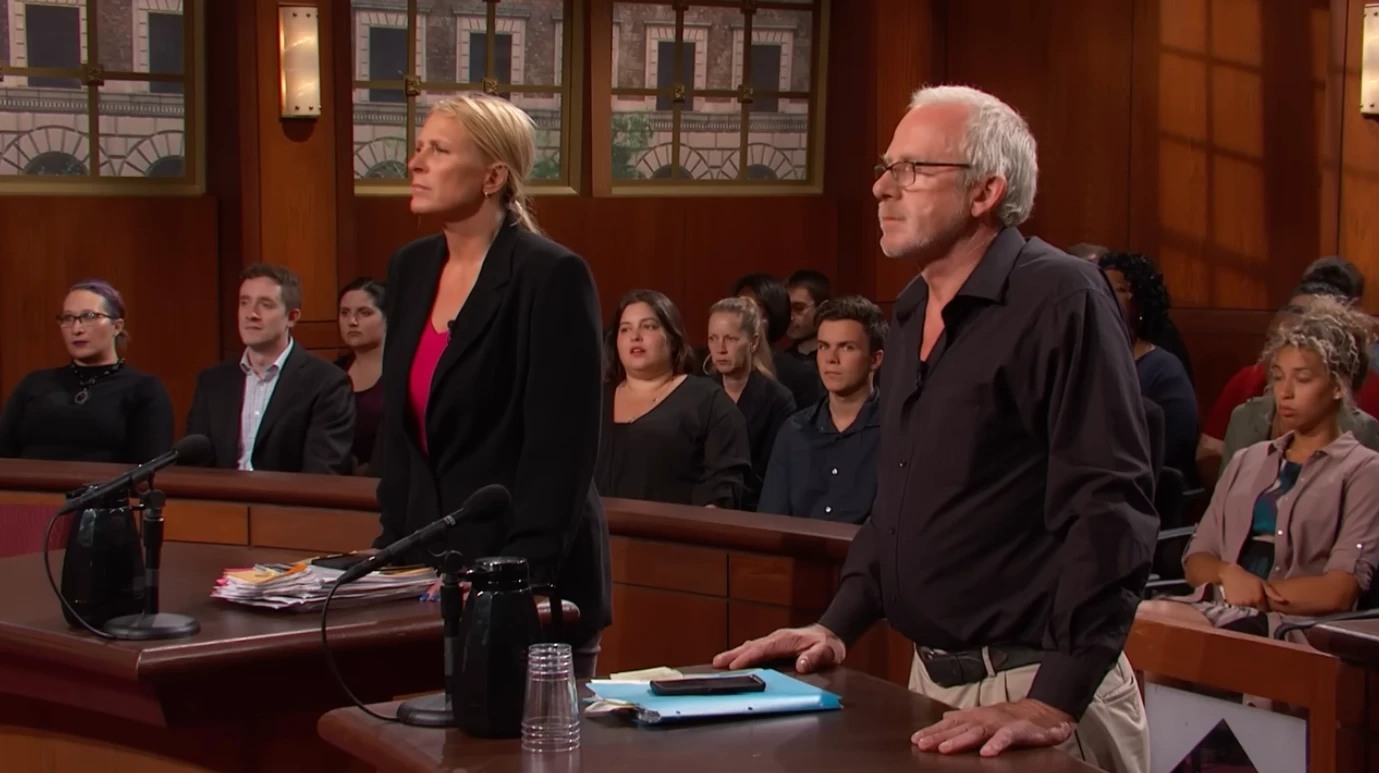
This Judge Judy case begins with a former couple, a house bought in one man’s name, and a restraining order that removed him from his own property for nearly ten months. What looked like a domestic dispute quickly became a hard lesson about ownership, evidence, and responsibility. Judge Judy focused on one brutal question: if the house was legally his, why was she living there rent-free while he paid the mortgage?
The Case Starts With a House and a Broken Relationship
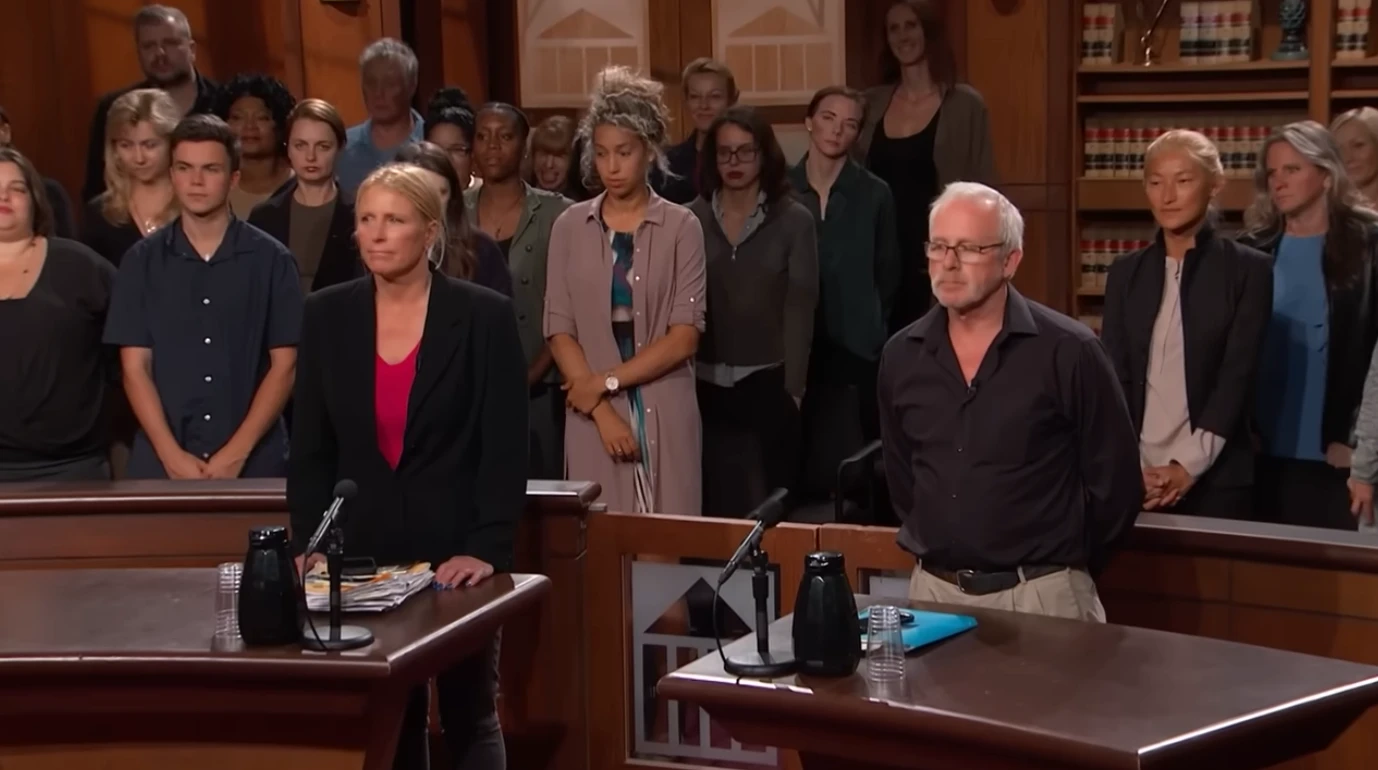
Judge Judy first makes one thing clear: this case may get ugly. Before discussing the serious accusations, she asks Ms. Meadows about the young man beside her. When Meadows says, “That’s my son, Gavin,” and confirms he is “17,” Judge Judy immediately says, “This might not get pretty, so you want to have Gavin step outside for a while?”
That moment sets the tone. This is not just a simple property dispute. It involves a failed relationship, restraining orders, accusations of assault, and a teenager caught near the middle of it.
The Couple Lived Together but Were Not Married
Judge Judy explains that Ms. Meadows and Mr. Gustafson had lived together as a couple for a long time. At some point, they moved into a home. Meadows believed they bought it together, but Gustafson claimed it was his home.
The most important legal fact came early: “The deed to the home is in his name alone.”
Meadows confirmed that was true.
Judge Judy immediately understood the legal impact. Since they were unmarried, ownership would not be treated like a divorce case.
Judge Judy Focuses on Legal Ownership
Meadows tried to argue, “We bought it together, Your Honor.”
Judge Judy shut that down quickly: “Doesn’t matter. The home is in his name. You’re not married.”
Then she explained the difference between marriage and cohabitation. In a marriage, there may be community property or equitable distribution. But for an unmarried couple, Judge Judy said plainly: “Nothing. It’s his home. It’s in his name.”
That statement became the foundation for the entire ruling.

The Mortgage Was Also in His Name
The house cost $206,000, with only a $1,000 down payment. Judge Judy asked, “Whose name was on the mortgage?”
Meadows answered, “His name was.”
Judge Judy clarified, “Alone.”
That meant Gustafson was responsible for a $205,000 mortgage and a monthly payment of about $1,300. Legally and financially, the burden was on him.
The Restraining Order Changed Everything
After the couple moved into the home, their relationship deteriorated. Meadows filed for a protective order and had Gustafson removed from the house.
This is where Judge Judy became deeply skeptical. She takes domestic violence seriously, but she also does not tolerate using a restraining order as a tool to gain control of property.
Meadows Had Gustafson Removed From His Own House
Judge Judy summarized the timeline: “At some point, the two of you weren’t getting along.”
Then she said Meadows filed for a protective order and had Gustafson “excluded from the home.”
Meadows confirmed: “Correct.”
The order lasted almost a year while the case moved through the court system. During that time, Gustafson was out of the home, while Meadows and her son lived there.

Judge Judy Asks for Proof of Assault
Judge Judy asked whether there were hospital records or medical records connected to the alleged assault.
Meadows answered, “There was an assault but no injuries, Your Honor.”
Judge Judy pressed further: “There were no hospital records or any medical records of any injury.”
This mattered because Meadows’ claim depended heavily on the legitimacy of the restraining order. Judge Judy wanted to see what evidence justified removing Gustafson from a home that was legally his.
Judge Judy Warns Against Misusing the Process
Judge Judy then gave one of the strongest statements in the case:
“I take people who file charges of domestic violence very seriously, ’cause domestic violence, whether it’s perpetrated against a man or a woman, is an atrocious thing to have to live with.”
But she immediately added that she does not like when someone “circumvents the process by filing a restraining order when there is no basis for it.”
That was the central concern: was this a genuine safety issue, or a way to stay in the house?
Ten Months in the House Without Paying the Mortgage
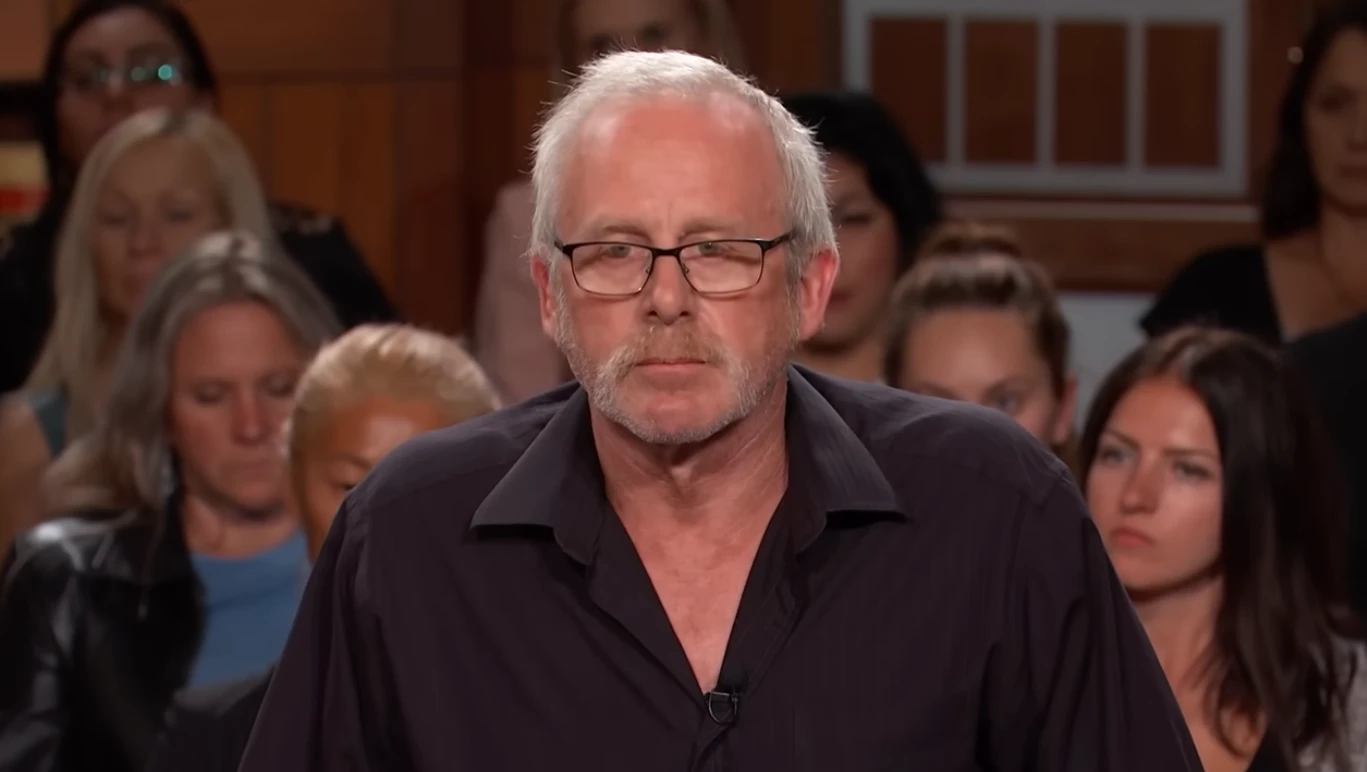
Once Gustafson was removed, Meadows stayed in the home with her son. Judge Judy wanted to know who paid the mortgage and taxes during that time.
The answer damaged Meadows’ case badly. Gustafson said he paid, and Meadows could not produce records showing she covered the mortgage for the ten months she lived there.
Gustafson Says He Paid the Bills
Judge Judy asked Gustafson, “Who paid the mortgage on the house for the 10 months that she was living there?”
He answered, “I did.”
She asked, “Who paid the taxes for the 10 months that she was living there?”
Again, he answered, “I did.”
That created a clear picture: Meadows lived in the house, while Gustafson paid the major costs.
Meadows Could Not Prove Ten Months of Payments
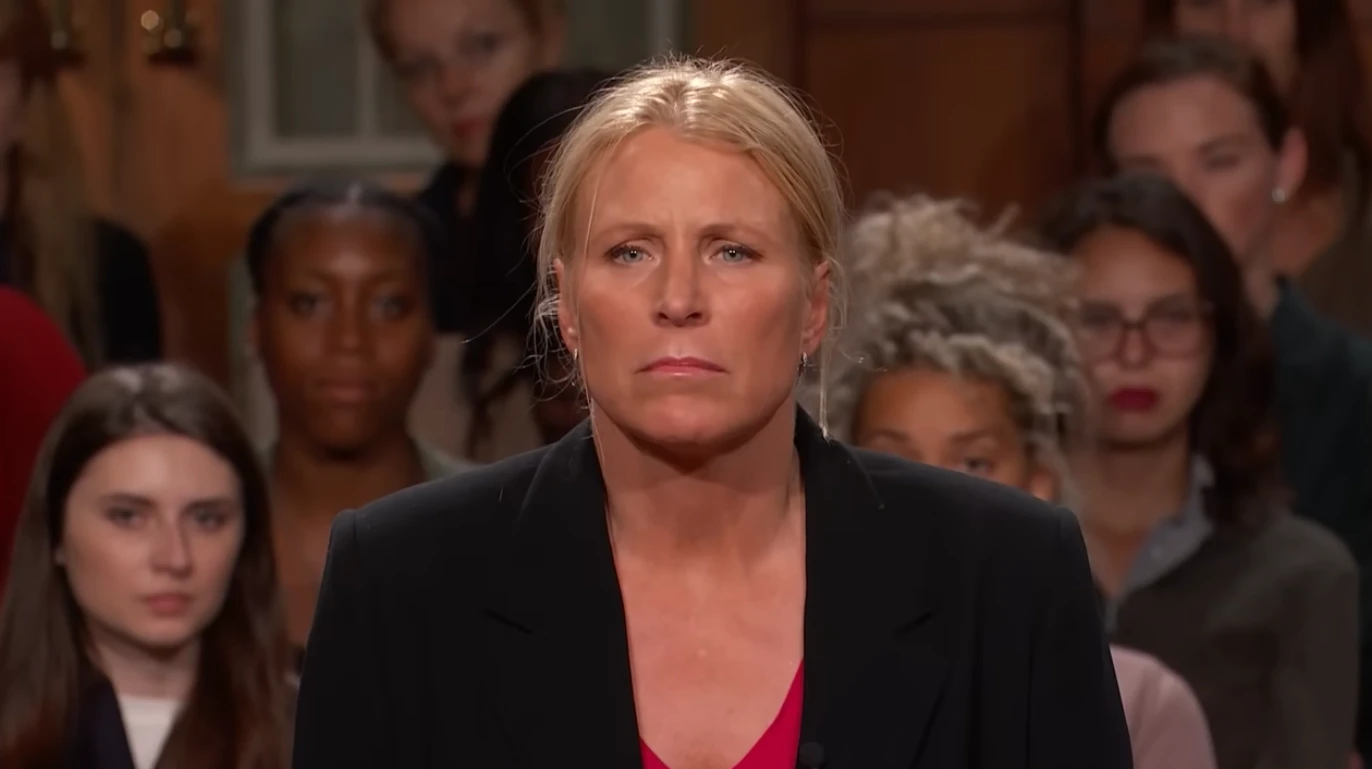
Meadows claimed, “I did pay the mortgage and the taxes, and I have proof of those payments.”
Judge Judy asked to see ten months’ worth of mortgage and tax payments. Meadows then admitted, “I don’t have 10 months’ worth. I have the first month’s.”
That admission destroyed her argument. One payment could not prove she carried the house for ten months.
Judge Judy Calls Her a Squatter
Judge Judy’s conclusion was harsh:
“You and your kid lived there, rent-free, mortgage-free, in his house, based upon a restraining order that you don’t have.”
Later, when Meadows insisted that the locks had been changed and that she lived there, Judge Judy said:
“Just because you changed the locks doesn’t make you any less of a squatter.”
Then she defined it bluntly: “You’re a squatter when you live someplace that isn’t yours, that you don’t pay rent on.”

Meadows Claims She Had Equitable Rights
Meadows tried to argue that she had rights because she had put money and belongings into the home.
Judge Judy rejected that argument because they were not married, the deed was not in her name, and she had not shown meaningful financial contribution toward the property.
Judge Judy Rejects the “Equitable Rights” Argument
Meadows said, “I have equitable rights, Your Honor.”
Judge Judy immediately replied, “No, you didn’t. No court in this country will tell you you had equitable rights. Equitable is when you’re married. You’re not.”
This was one of the clearest legal lessons in the case. Living with someone does not automatically give a person ownership in a house titled only in the other person’s name.

Meadows Says She Put Money Into the House
Meadows argued, “So all the money that I put in is just out the window.”
Judge Judy responded, “You didn’t put in any money.”
When Judge Judy asked how much she put into the house during the first two months, Meadows eventually said “$1,900.”
Judge Judy’s response was devastating: “That’s your equitable right in a $206,000 house.”
Judge Judy Says She Owed Rent Instead
Judge Judy explained that if Meadows wanted to claim $1,900 as her contribution, Gustafson could just as easily claim rent for the ten months she lived in his house.
Judge Judy said, “If what you’re telling me is $1,900, I’ll tell you that you owe him rent for 10 months.”
That flipped Meadows’ argument upside down. Instead of proving she was owed money, she showed why Gustafson had a stronger counterclaim.
The Assault Claim Fails Without Medical Evidence
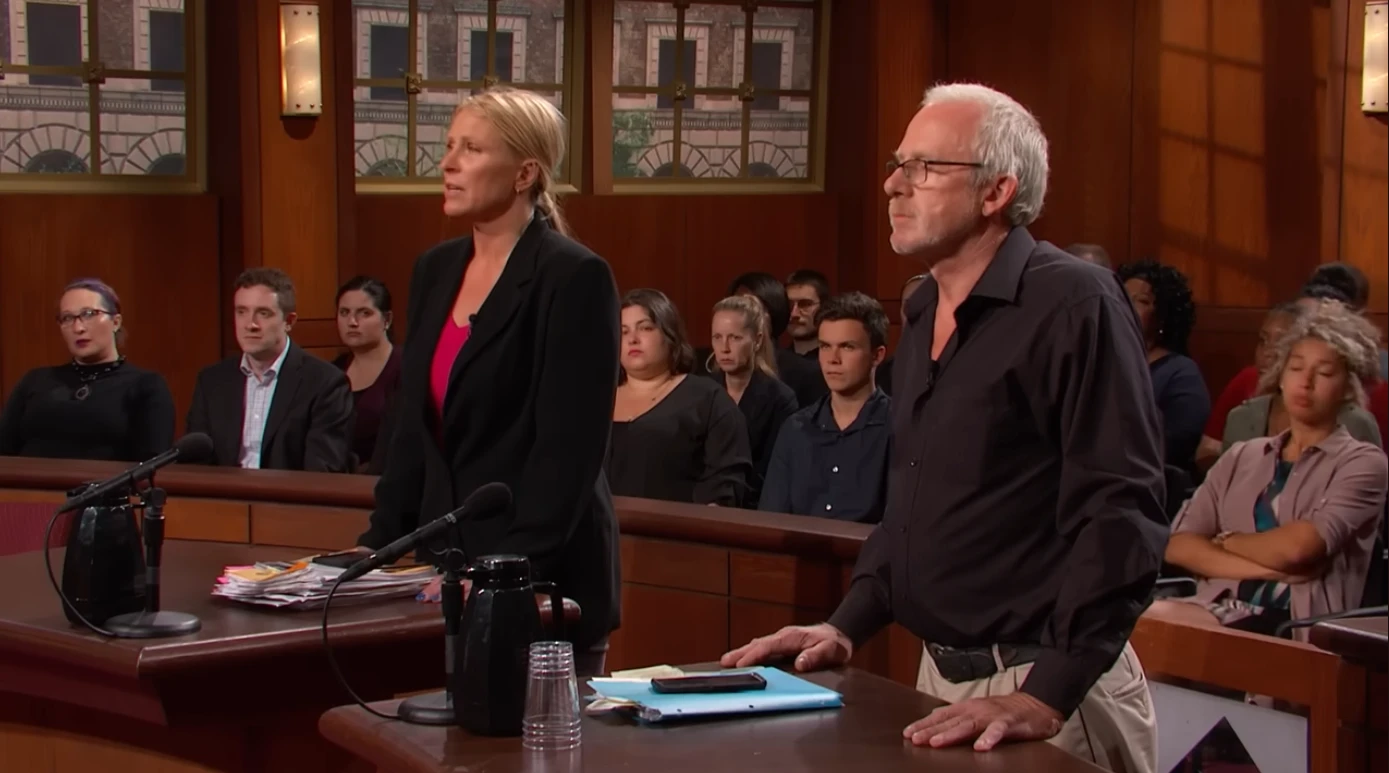
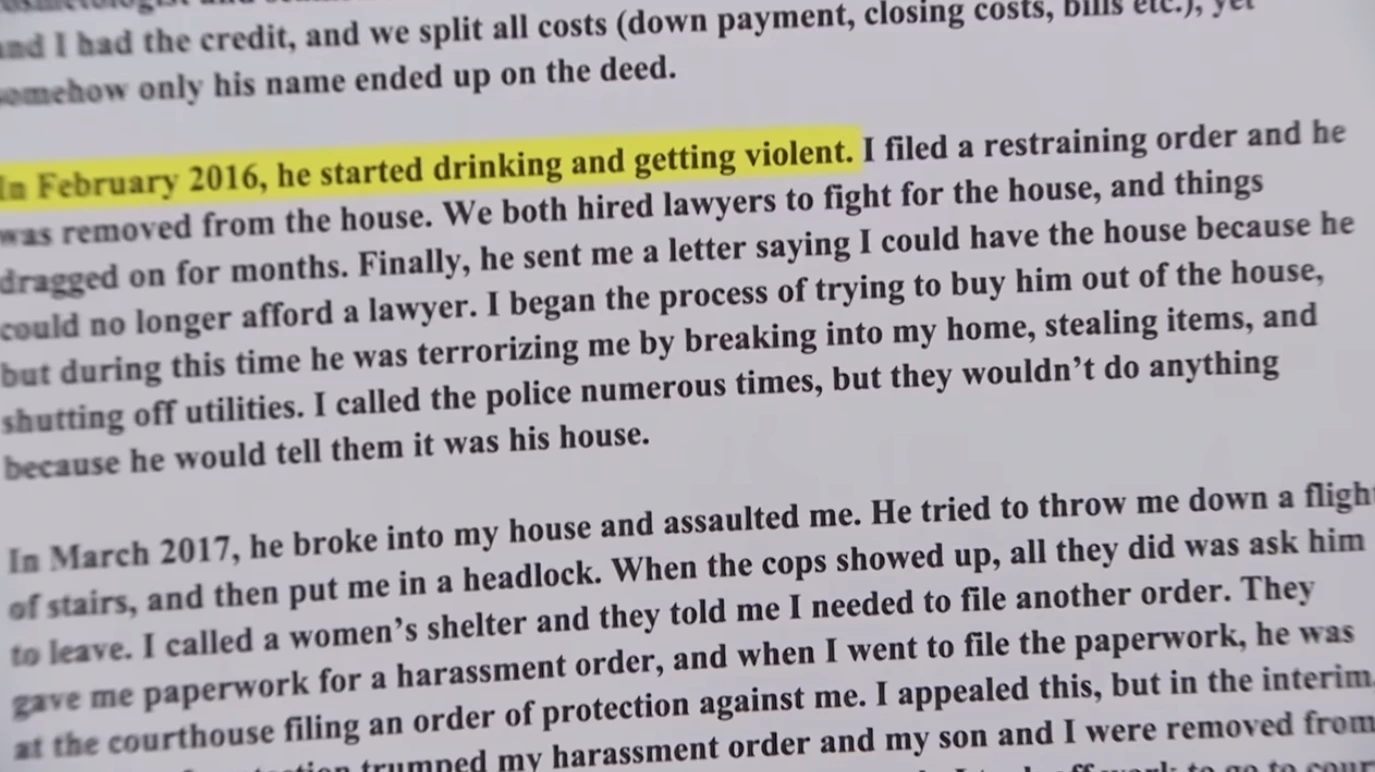
Meadows also claimed Gustafson assaulted her during a later incident. She said he had her in a headlock and was throwing her down the stairs.
Judge Judy did not dismiss the seriousness of the allegation, but she wanted evidence. Once again, Meadows could not provide medical records or a doctor visit.
Meadows Describes a Serious Alleged Attack
When Judge Judy asked about the alleged assault date, Meadows answered, “3/10/2017.”
She claimed, “He had me in a headlock, throwing me down the stairs.”
This was a serious accusation. But Judge Judy looked for supporting proof.
Judge Judy Asks for Medical Records
Judge Judy said, “I would like to see the medical records.”
Meadows answered, “There is no medical records, Your Honor.”
Judge Judy then said, “I’d like to see a visit to a doctor.”
Meadows replied, “There isn’t a visit to the doctor.”
Judge Judy Dismisses Her Case
Judge Judy explained her reasoning simply: “Assault means an injury.”
She added, “If somebody threw me down a flight of stairs — I would go see a doctor.”
With no medical proof and no convincing documentation, Judge Judy ruled: “I’m dismissing your case.”
Gustafson’s Counterclaim Wins
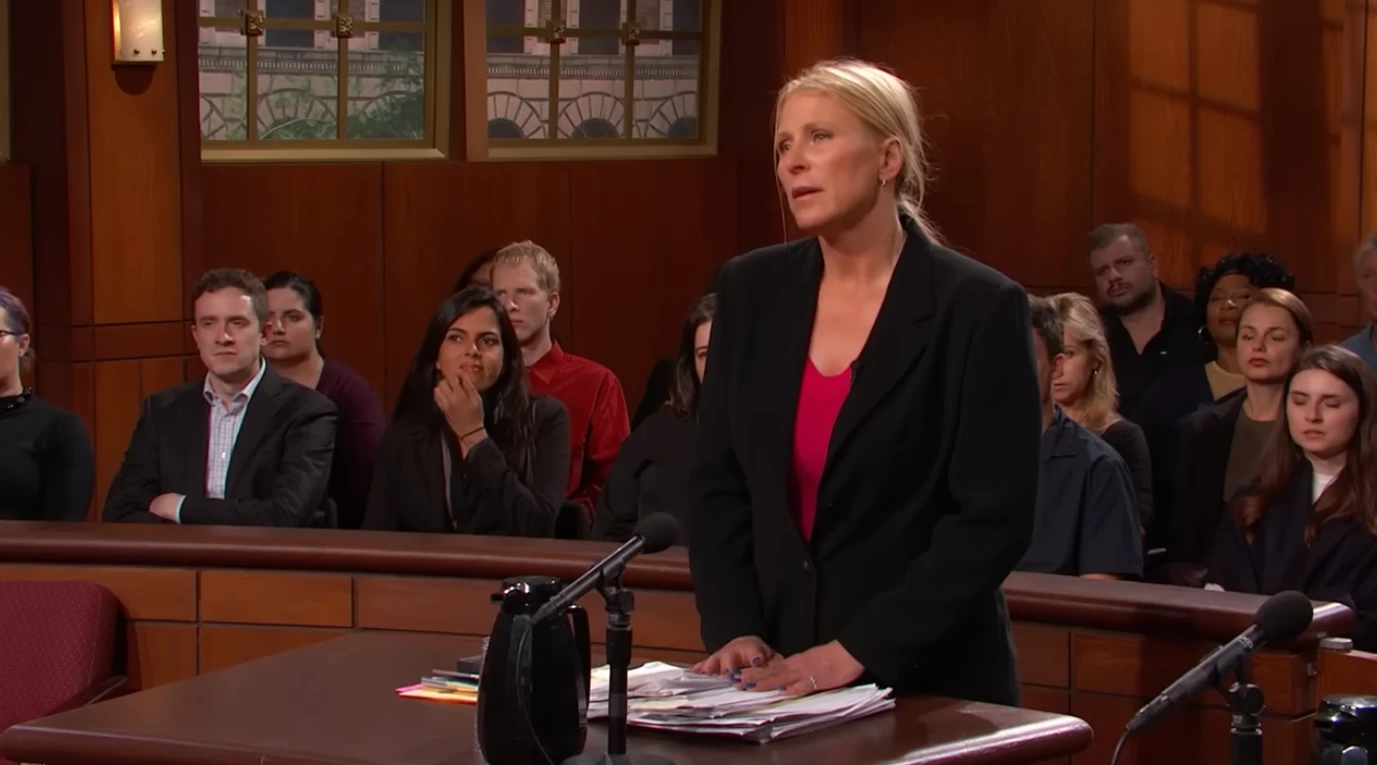
After dismissing Meadows’ claim, Judge Judy turned to Gustafson’s counterclaim. He said property was vandalized after he finally regained access to the house.
Judge Judy even pointed out that the easiest claim would have been for the mortgage and taxes during the ten months Meadows lived there rent-free.
Judge Judy Says the Mortgage Claim Would Have Been Easy
Judge Judy told Gustafson:
“The easiest thing for you to have counterclaimed for… is the mortgage payments and the taxes for the 10 months that she and her kid lived there and paid nothing and were squatters in your home.”
She also said there was “no justification for her getting a removal order” because Meadows had no proof.
This showed Judge Judy believed Gustafson had suffered real financial harm.

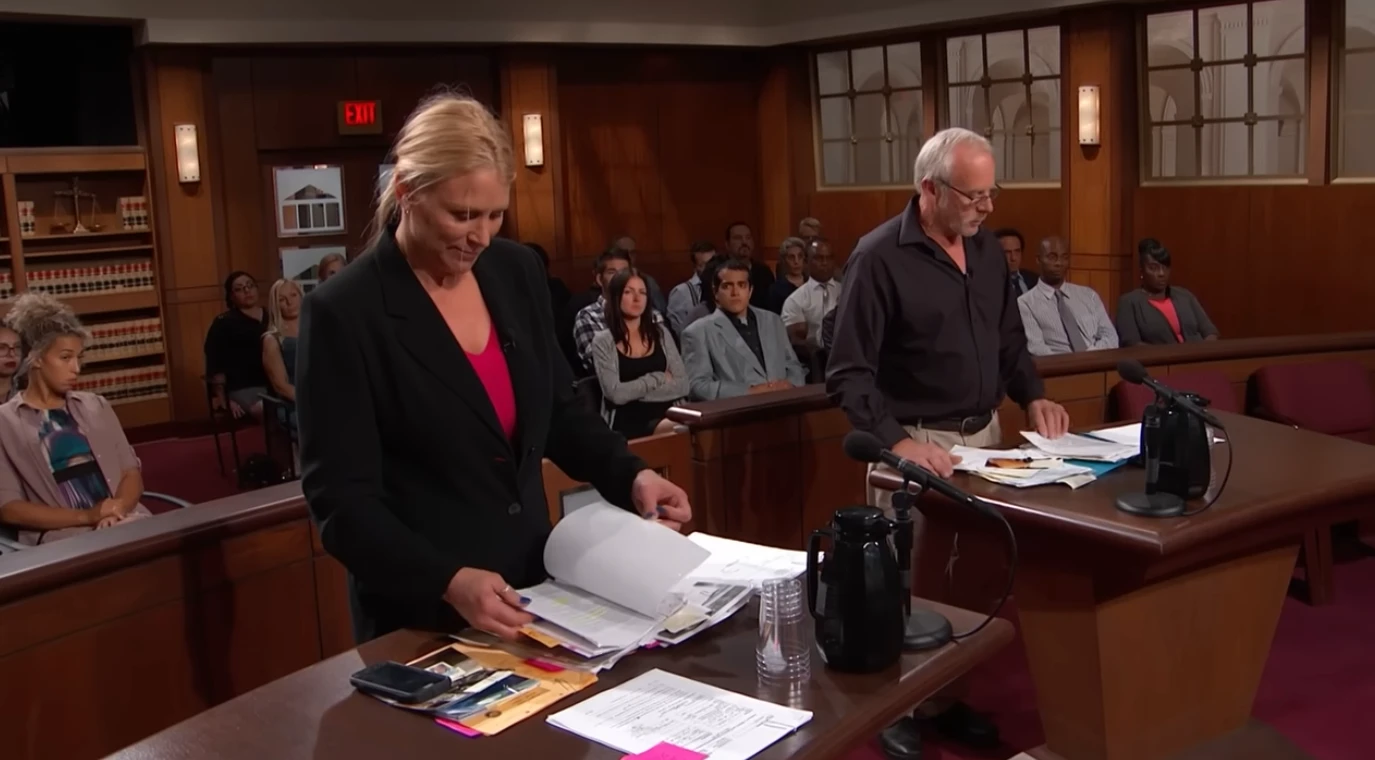
Gustafson Shows Vandalism Evidence
Gustafson said there were “two windows broken, screens were broken, graffiti on the walls.”
Judge Judy asked for photographs. When she looked at the images, she asked Meadows, “How’d the graffiti get on the walls?”
Meadows answered, “My son’s friends.”
That answer did not help her. It connected the damage to people associated with her side of the household.
The Final Judgment
At the end, Meadows tried to explain that she had belongings in the house and said, “Everything I owned was in that house.”
Judge Judy was not persuaded. When Meadows said Gustafson had kept everything and that she could not start over, Judge Judy ended the case:
“Judgment on the counterclaim for $3,500. Your claim is dismissed.”
That was the final ruling.
Situation Analysis: Who Was Right and Who Was Wrong?
This case is emotionally messy, but Judge Judy’s reasoning was direct. Gustafson owned the house on paper, carried the mortgage, paid the taxes, and was removed from the home for ten months based on allegations Meadows could not support with the records Judge Judy wanted.
Meadows may have felt emotionally invested in the home, but emotional investment is not the same as legal ownership.
Gustafson Had the Stronger Legal Position
The deed and mortgage were in Gustafson’s name. He was legally responsible for the property.
He also paid the mortgage and taxes while Meadows lived there. That made his counterclaim much stronger than her claim.
Meadows Relied on Claims Without Enough Proof
Meadows repeatedly made serious claims: assault, financial contribution, ownership interest, and property loss.
But when Judge Judy asked for documents, Meadows could not provide the key evidence. She did not have the original restraining order allegations, ten months of mortgage payments, or medical records.
Judge Judy Focused on Evidence, Not Emotion
Judge Judy did not deny that relationships can be complicated. But she refused to turn a dating relationship into a property ownership case.
Her message was clear: if your name is not on the deed, you are not married, and you are not paying the mortgage, you cannot claim the house as yours.Lessons From This Judge Judy Case
This case offers a clear warning about relationships, property, and legal documents. Love may bring people into the same home, but paperwork decides ownership when the relationship ends.
It also shows why courts demand evidence, especially when claims involve assault, restraining orders, and financial damages.
Never Assume You Own a House Without Your Name on It
If a couple buys a house together, both names should be on the deed and mortgage if both expect ownership rights.
Meadows believed they bought the house together, but legally the home belonged to Gustafson.

Restraining Orders Are Serious Legal Tools
Judge Judy strongly defended legitimate domestic violence victims. But she also warned against using restraining orders to gain control of property.
A protective order should be based on real danger and supported by evidence.
Evidence Wins Cases
The biggest lesson is simple: claims are not enough. Receipts, medical records, court documents, photographs, and payment proof matter.
Meadows had strong emotions, but Gustafson had the stronger legal position.
Conclusion
This Judge Judy case centered on a failed relationship, a house in one man’s name, and a restraining order that kept him away from his own property for ten months. Ms. Meadows believed she had rights because she lived there and claimed she contributed financially. Judge Judy disagreed.
The house was in Mr. Gustafson’s name. The mortgage was in his name. He paid the major bills. Meadows could not prove she paid the mortgage for ten months, could not produce the key restraining order documents, and had no medical records to support her assault claim.
Judge Judy dismissed Meadows’ case and awarded Gustafson $3,500 on his counterclaim.
The final lesson is powerful: in court, emotion does not replace evidence, and living in someone’s house does not make it yours.
