Judge Judy examines a church apartment dispute involving prepaid rent, renters insurance, smoke damage, and a $12,000 insurance payout. The timeline raises major questions in court.
Judge Judy Questions Insurance Claim After Smoke Damage Story Raises Red Flags
This Judge Judy case begins as a rental dispute over a small studio apartment on church property, but the story quickly shifts into something much bigger: prepaid cash rent, a tenant who suddenly had renters insurance, smoke damage inside the apartment, and a $12,000 insurance payout. Judge Judy studies the timeline and makes it clear that the details do not add up.
A Church Apartment Rental Starts With a Favor
The case begins with the plaintiff explaining that Matthew Lopez is her witness and roommate. She says he saw her living in the apartment, helped after the smoke damage, and helped her move out.
Judge Judy then turns to the defendant and asks what kind of place he rented to the plaintiff. He explains that it was “a small studio apartment” attached to an extra building on church property. According to him, the space had been remodeled “just for her and her daughter.”
The Apartment Was on Church Property
The defendant explains that the church had “70 acres of land” and an extra building once used as a garage and personal-use space.
Part of that building was converted into “a very nice studio apartment.”
At first, the plan had been to use it for a future groundskeeper. But when Lisa needed a place to stay, the arrangement changed.
The Tenant Had Known Them for Years
Judge Judy asks how long the defendant had known the plaintiff. He answers, “At least 6-plus years.”
He says Lisa had been living with her parents and often complained about the conditions there.
That background makes the rental arrangement sound personal, not purely business. It was a church-related property, the parties knew each other, and the apartment was offered during a difficult period in Lisa’s life.

Rent Was $500 a Month
Judge Judy asks how much rent was charged.
The answer: “$500 a month.”
The defendant says Lisa could not make regular monthly payments, so they created a different plan. According to him, she paid rent in larger amounts whenever she received her tax refund.
The Cash Rent Story Raises Questions
The defendant says Lisa paid $5,000 in cash from her tax refund in February 2015. That amount allegedly covered the first ten months of rent.
Then, he says the same thing happened again in February 2016: she used tax money to catch up and pay ahead.
Judge Judy Questions the Cash Arrangement
Judge Judy listens carefully, then repeats the story back with skepticism.
She says, “She didn’t have money to pay you rent. So she waited to get her tax check… and got cash to give to you.”
The defendant says the money went “to the church.”
But Judge Judy is not satisfied. The story sounds unusual: a tenant without monthly rent money somehow withdraws thousands in cash and prepays rent in large blocks.
The Timing Becomes Important
According to the defendant, Lisa’s prepaid rent ran through the end of 2016. That means by early 2017, she would either need to pay another large amount or start paying monthly rent again.
Judge Judy identifies that timing as crucial.
She says the alleged smoke damage happened right around the time the prepaid rent arrangement was ending.
Judge Judy Sees a Pattern
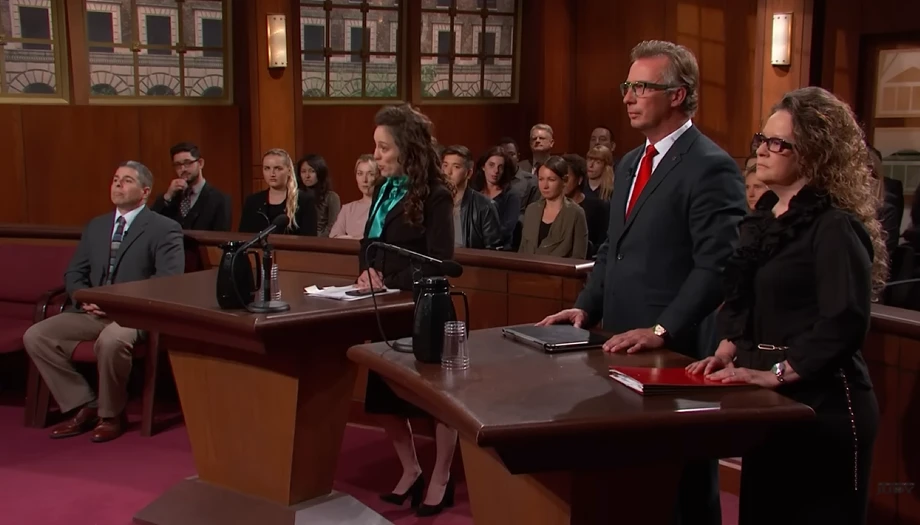
Judge Judy summarizes the pattern clearly: Lisa allegedly prepaid rent in February 2015, then again in February 2016.
By February 2017, another large payment would be due.
That timeline becomes the foundation of Judge Judy’s doubts about the entire case.
Renters Insurance Becomes the Turning Point
The case changes direction when Judge Judy asks about renters insurance. She wants to know when Lisa first took out the policy.
This question becomes the most important moment in the case.

Lisa Did Not Have Insurance in 2015
Judge Judy asks for the policy start date.
Lisa does not immediately have it. Judge Judy says, “We’re going to get the date that your policy started.”
Lisa then admits she did not have renters insurance in 2015.
Judge Judy asks whether she got it in early 2016 or near the end of 2016. Lisa answers that it was probably “in October” when she changed insurance companies.

The Policy Started Shortly Before the Damage
Judge Judy immediately notices the timing.
The renters insurance began shortly before the smoke damage claim.
She says, “In October or November, right before this smoke damaged your property.”
That line shows why the case suddenly feels suspicious to her. Lisa had lived there for a long time without renters insurance, then got coverage shortly before reporting damage.
Judge Judy Asks for Fire Reports
Judge Judy asks whether there is an arson report or fire-damage report.
Lisa says a restoration company was involved, but Judge Judy stops her:
“That’s not what I’m asking you.”
Judge Judy wants an official report showing where the incident started and what happened. Without that, the insurance story becomes harder for her to accept.
Judge Judy Challenges the Smoke Damage Story
The defendant says the church also had an insurance policy covering its property and buildings. But Judge Judy asks where the church itself suffered damage.
His answer does not help him.
The Damage Was Only in the Apartment
Judge Judy asks, “In what location did the church suffer damage?”
The defendant answers that the damage was in the apartment.
Judge Judy clarifies: “Only in her apartment.”
He confirms: “Correct.”
That matters because the smoke damage appears to have affected only the tenant’s apartment and belongings, not the broader church property.
The Insurance Company Paid Out Money
Judge Judy asks how much money the insurance company paid.
The defendant says: “$12,000.”
That number confirms this was not a small claim. It was a significant payout based on damage that Judge Judy believes was not properly explained.
Judge Judy Says She Does Not Believe It
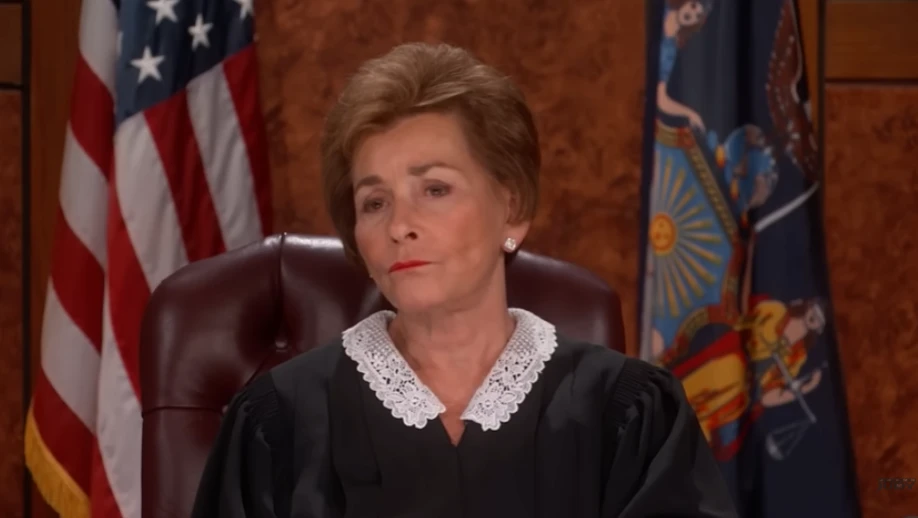
Judge Judy delivers her strongest reaction:
“I don’t believe it. I don’t buy it.”
She also says, “I think it’s a huge scam.”
For a Facebook-safe article, the better way to frame this is: Judge Judy believed the timeline and insurance details created serious credibility concerns.
The Final Courtroom Moment
Judge Judy does not spend more time sorting out every item of property or every part of the rental arrangement.
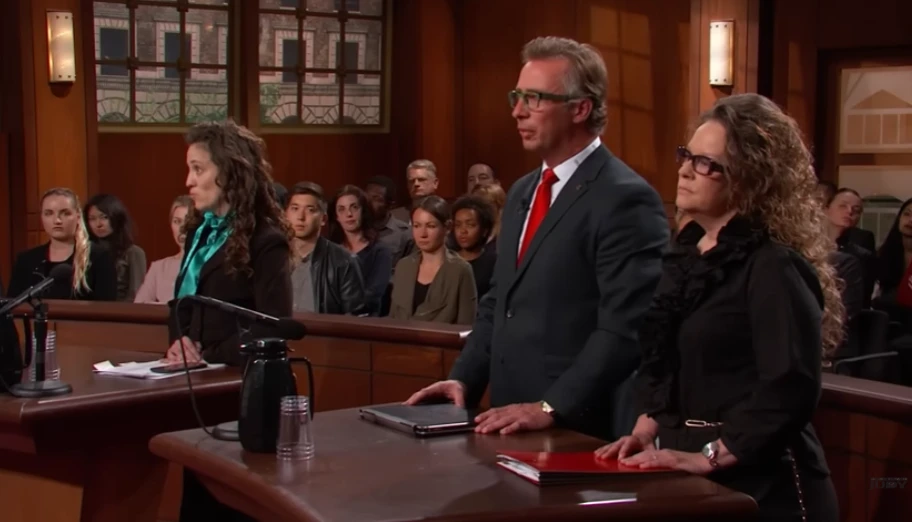
Once she hears the insurance timeline, the cash rent story, the lack of clear fire documentation, and the $12,000 payout, she ends the case.
Judge Judy Dismisses the Matter Quickly
Judge Judy says:
“Do me a favor, go fight with each other someplace else, not here.”
Then she ends it:
“Done. We’re done.”
That is the practical outcome. She is not persuaded by the story and does not want the courtroom used to continue the dispute.

The Plaintiff Leaves Frustrated
After the case, Lisa says:
“Now I have to go and replace all my stuff, and I have nowhere to live.”
She also says, “No, I am not thankful. I am absolutely furious.”
Her reaction shows she believed she had suffered real loss. But Judge Judy’s ruling was based on credibility and timing, not emotion.
The Defendant Stands by His Side
The defendant says:
“We were just looking for things to be worked out, but God knows the truth.”
That line closes the case with both sides still feeling misunderstood.
But Judge Judy had already made clear that the evidence did not satisfy her.

Situation Analysis: What Really Made Judge Judy Doubt the Case?
This case was not dismissed because smoke damage is impossible or because tenants cannot have renters insurance. It was about the specific pattern of facts.
Judge Judy saw several details lining up in a way that raised questions: cash rent, sudden insurance coverage, unclear official reports, and a large payout.
The Cash Rent Story Was Hard to Accept
The defendant said Lisa did not have money for monthly rent but could pay $5,000 cash from tax refunds.
That may be possible, but Judge Judy found it unusual and wanted documentation.
Large cash payments are always harder to prove than checks, receipts, or bank transfers.

The Insurance Timing Was the Biggest Issue
Lisa lived in the apartment for a long time without renters insurance.
Then she obtained coverage near the end of 2016, shortly before reporting smoke damage.
That timing became the strongest reason Judge Judy questioned the claim.
The Missing Reports Hurt Credibility
Judge Judy wanted clear reports about the source and nature of the smoke damage.
When those were not immediately available in a convincing form, the case became weaker.
In court, a major property claim needs strong documentation.
Final Judgment and Legal Meaning
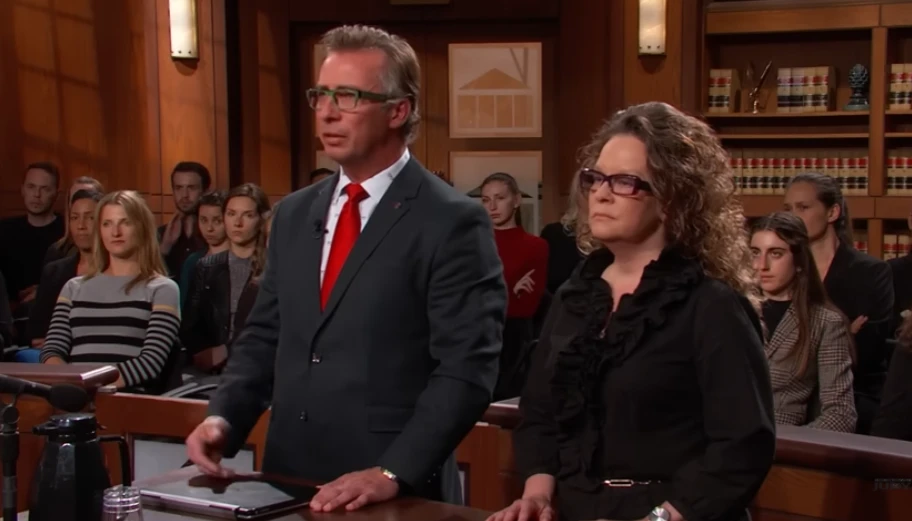
The final result is that Judge Judy does not award the plaintiff what she is asking for. She dismisses the matter and sends the parties away.
Her ruling is not a detailed calculation. It is a credibility decision.
Why the Plaintiff Did Not Win
The plaintiff did not win because Judge Judy did not believe the timeline.
Her insurance policy appeared to have started shortly before the damage, and there was no clear official report presented to answer Judge Judy’s questions.
Why the Defendant Did Not Get a Clean Win Either
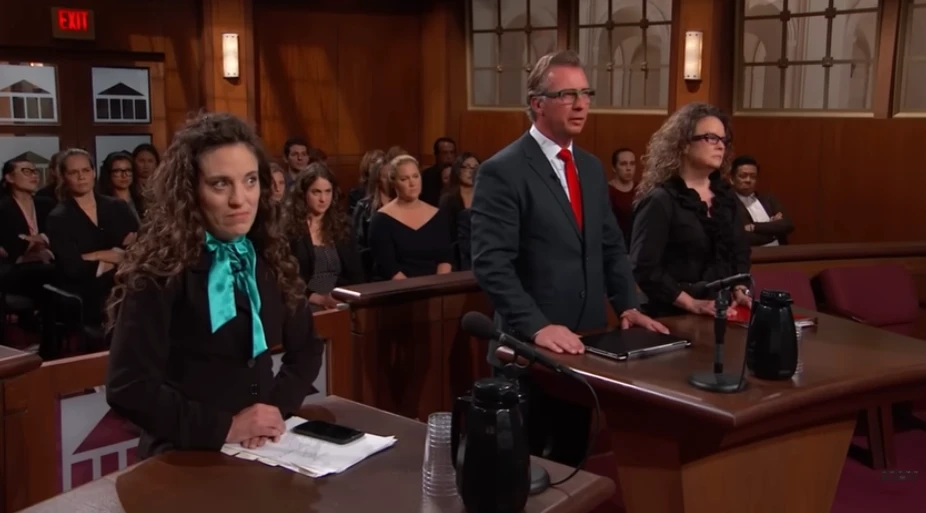
Judge Judy did not exactly praise the defendant.
She suggested he may also have been part of the questionable arrangement or at least connected to it.
Her concern was with the entire story, not only one person.
The Court Focused on Trustworthiness
The core issue was trust.
Judge Judy believed the facts were too unusual to accept without stronger proof.
That is why the case ended quickly.

Lessons From This Judge Judy Case
This case is a useful warning about rental agreements, insurance claims, and documentation.
When a case involves cash payments, property damage, and insurance money, every detail must be documented clearly.
Avoid Large Cash Rent Payments Without Receipts
If rent is paid in cash, both sides need written receipts.
A simple receipt can prevent confusion later.
Insurance Claims Need Clear Reports
For smoke, fire, or property damage, official reports matter.
Photos, restoration records, inspection reports, and fire department documentation can make or break a claim.

Timing Can Affect Credibility
Even if something is true, timing can make it look questionable.
Taking out insurance shortly before a major claim may require extra documentation to show everything was legitimate.
This Judge Judy case began as a dispute over a small studio apartment on church property, but it quickly became a deeper question about rent, insurance, and credibility.
The defendant claimed Lisa paid rent in large cash amounts from tax refunds. Lisa had renters insurance that began shortly before smoke damage was reported. The damage appeared limited to her apartment, and the insurance payout reached $12,000.
Judge Judy was not convinced. She questioned the timing, asked for official reports, and ultimately dismissed the case.
The final takeaway is simple: in court, timing matters, documentation matters, and a story that depends on cash payments and unclear records needs very strong proof.
