A woman sues a mother for a broken car mirror after a young girl collides with her vehicle near a school. Judge Judy dismisses the claim and delivers a sharp lesson about adult responsibility in school zones.
Driver Sues Over Broken Mirror After Child Suffers Broken Clavicle — Judge Judy Is Not Having It
A school pickup accident turns into one of Judge Judy’s most uncomfortable courtroom moments when a driver demands payment for her broken side mirror after a child was injured badly enough to be taken away in an ambulance. The plaintiff insists the child ran into her car, but Judge Judy focuses on the bigger issue: in a crowded school zone full of children, the adult behind the wheel must expect the unexpected.
A School-Zone Accident Becomes a Courtroom Battle
The case begins with a mother picking up her two young sons from school on February 1, 2018. The area was crowded, children were being dismissed, parents were driving through, and everyone was moving slowly near the school.
But within moments, a little girl named Emy collided with the plaintiff’s vehicle. The girl suffered a fractured clavicle, bruising, and stitches to her chin. The plaintiff’s side mirror broke. Instead of ending with gratitude that the child survived, the plaintiff filed a lawsuit asking the child’s mother to pay for the mirror.
The Plaintiff Was Picking Up Her Children
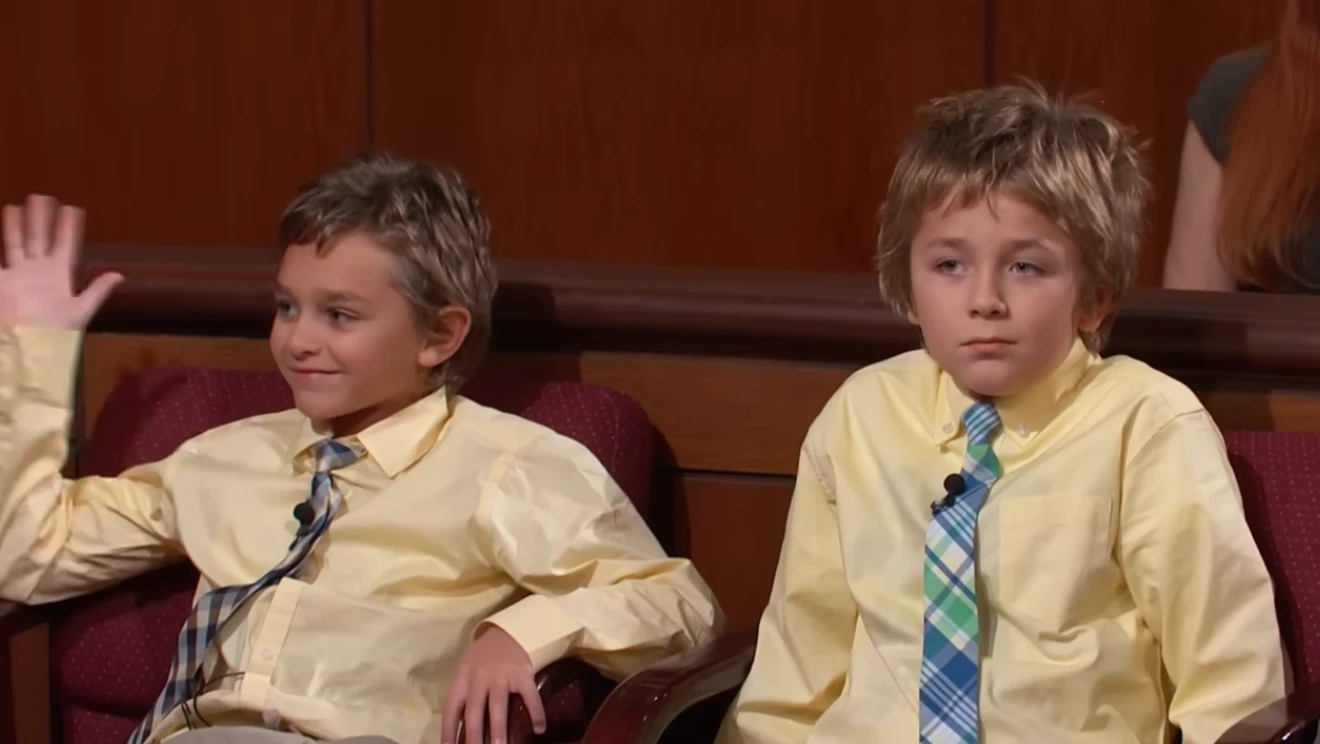
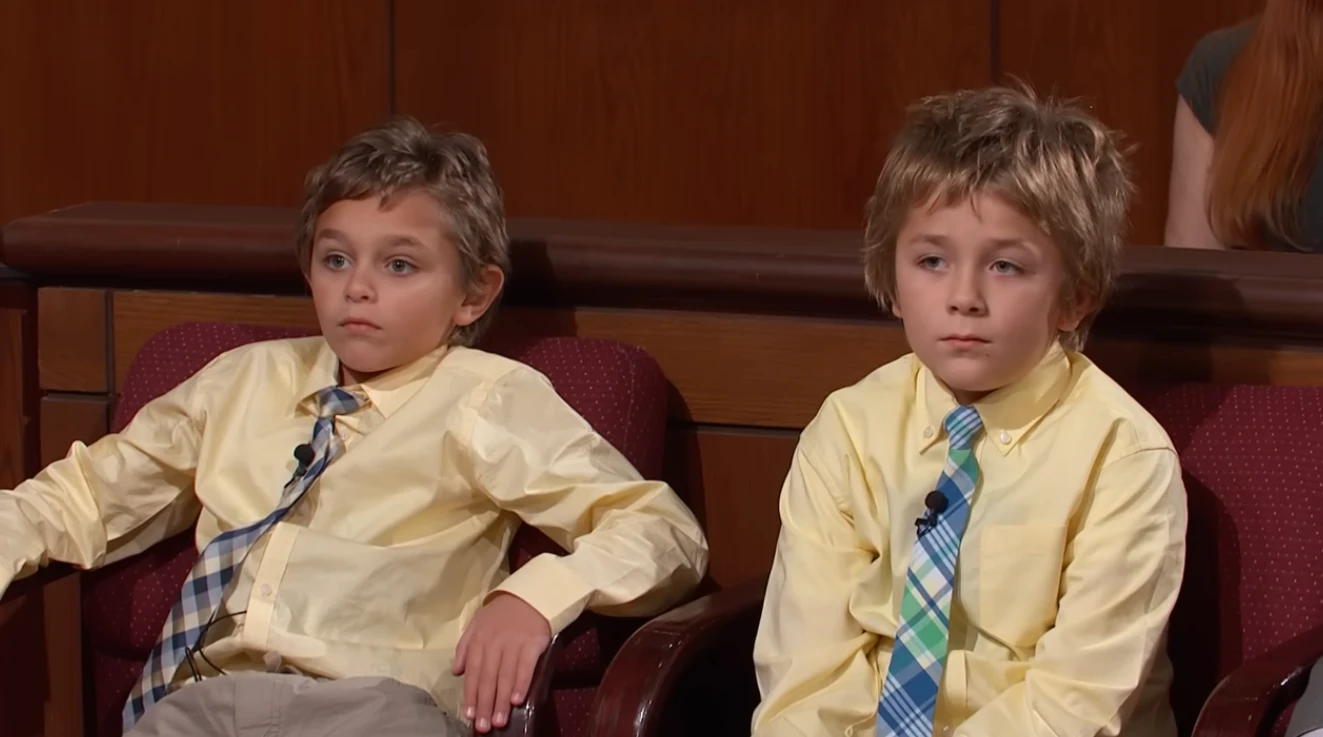
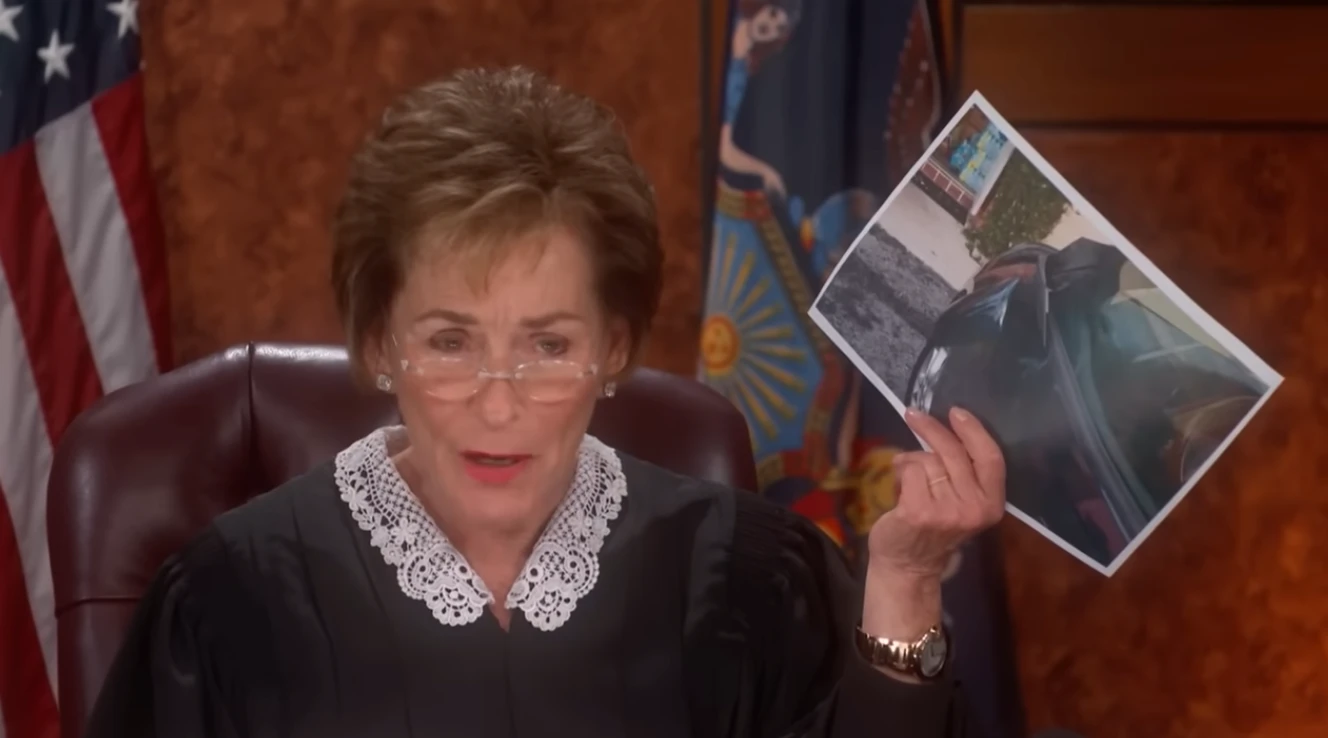
Judge Judy first confirms the basic facts. She asks whether the boys in the photo are the plaintiff’s children, and the plaintiff answers, “My boys.”
Judge Judy then asks, “And you were picking them up from school?”
The plaintiff says, “Yes.”
The date was important. The plaintiff says, “I picked them up on February 1, 2018.”
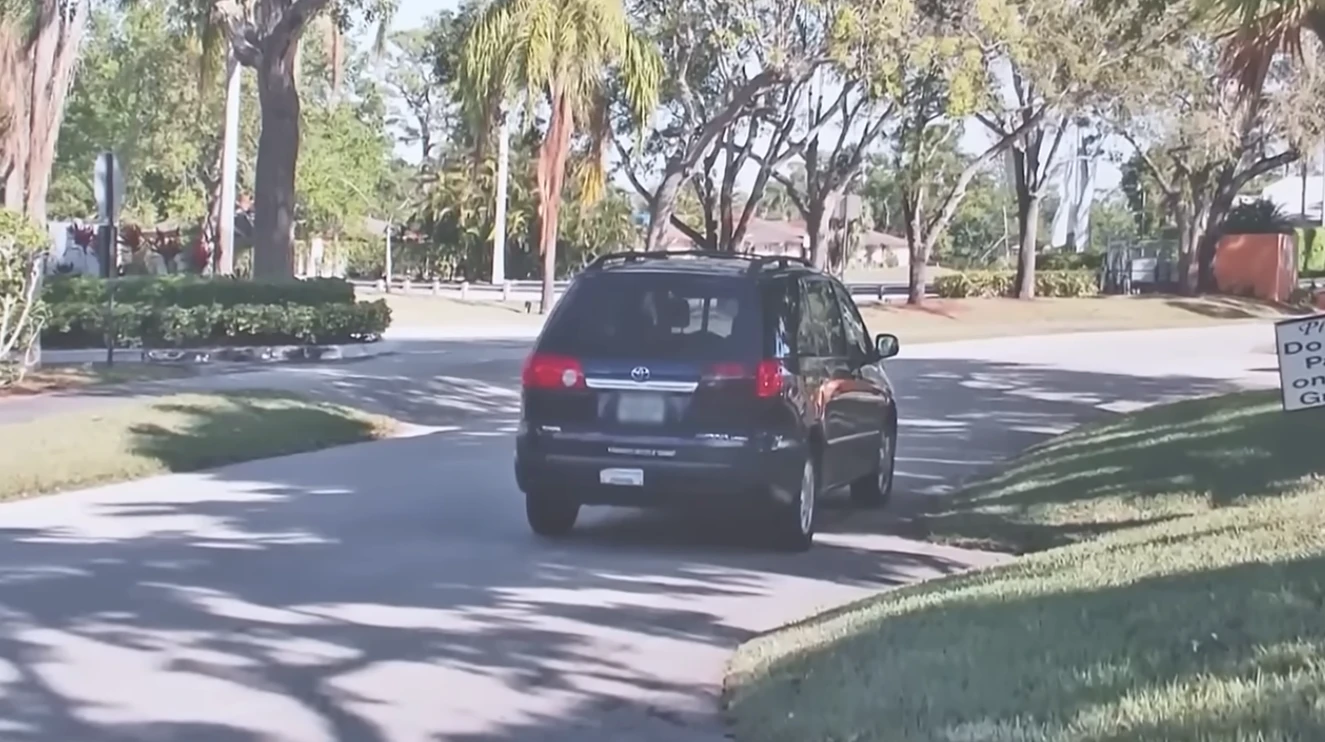
Judge Judy also establishes that the children were already in the car and the plaintiff was driving away from the school area.
The Accident Happened Only Feet From the School
Judge Judy asks how far away from the school the plaintiff was. The plaintiff answers, “Within feet of the school.”
When pressed for an estimate, the distance becomes clearer: about “12 to 15 feet.”
That detail immediately changes the tone of the case. This was not a normal street far away from campus. This was a school pickup zone with hundreds of children nearby.
Hundreds of Children Were Being Dismissed
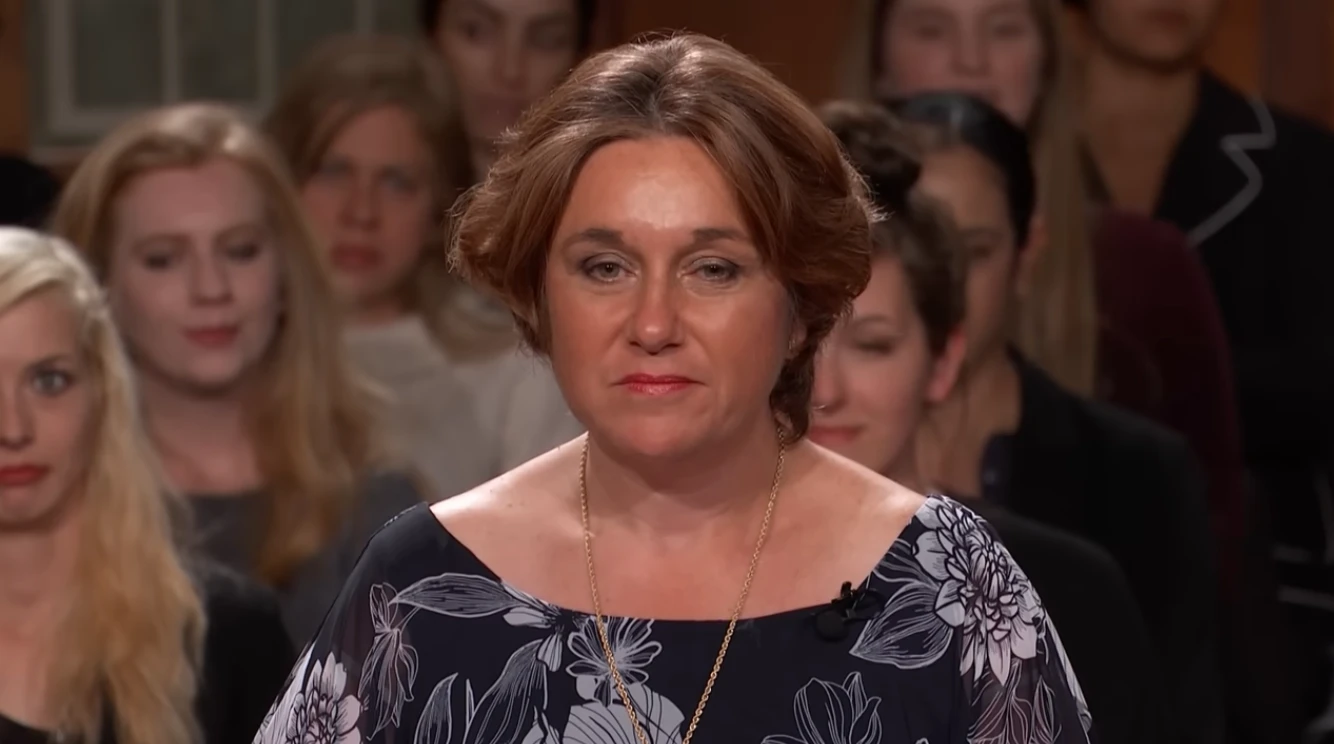
Judge Judy asks how many children attend the school. The plaintiff estimates, “Probably like 500 kids.”
Judge Judy then confirms that they all get out around the same time, about 3:00 p.m.
That means the plaintiff was driving through an area where a reasonable adult should expect children, parents, cars, confusion, and sudden movement.
The Plaintiff Claims the Child Ran Into Her Car
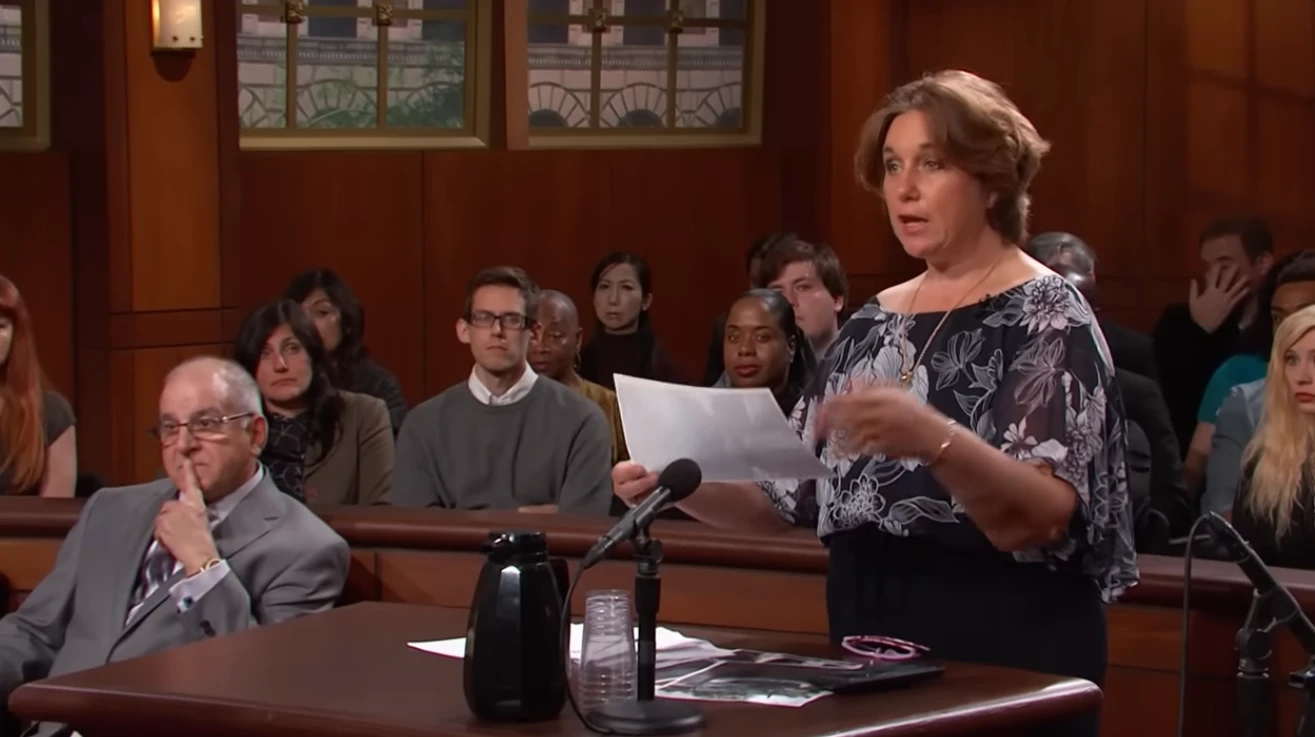
The plaintiff’s central argument is simple: she says she did not hit the child. She says the child ran into the side of her car and broke the mirror.
She insists she was driving very slowly and that Emy crossed in the wrong place, against the crossing guard’s warning.
“She Ran Into Me”
The plaintiff explains, “She collided… I was going very slowly, and it was a side impact.”
Then she adds, “I did not hit her. She ran into me.”
She says the child was crossing where she was not supposed to cross and that the crossing guard screamed, “Stop!” right before impact.
This is the plaintiff’s strongest argument: the child was not in the designated crossing area.
The Plaintiff Says It Was Not a Front Impact
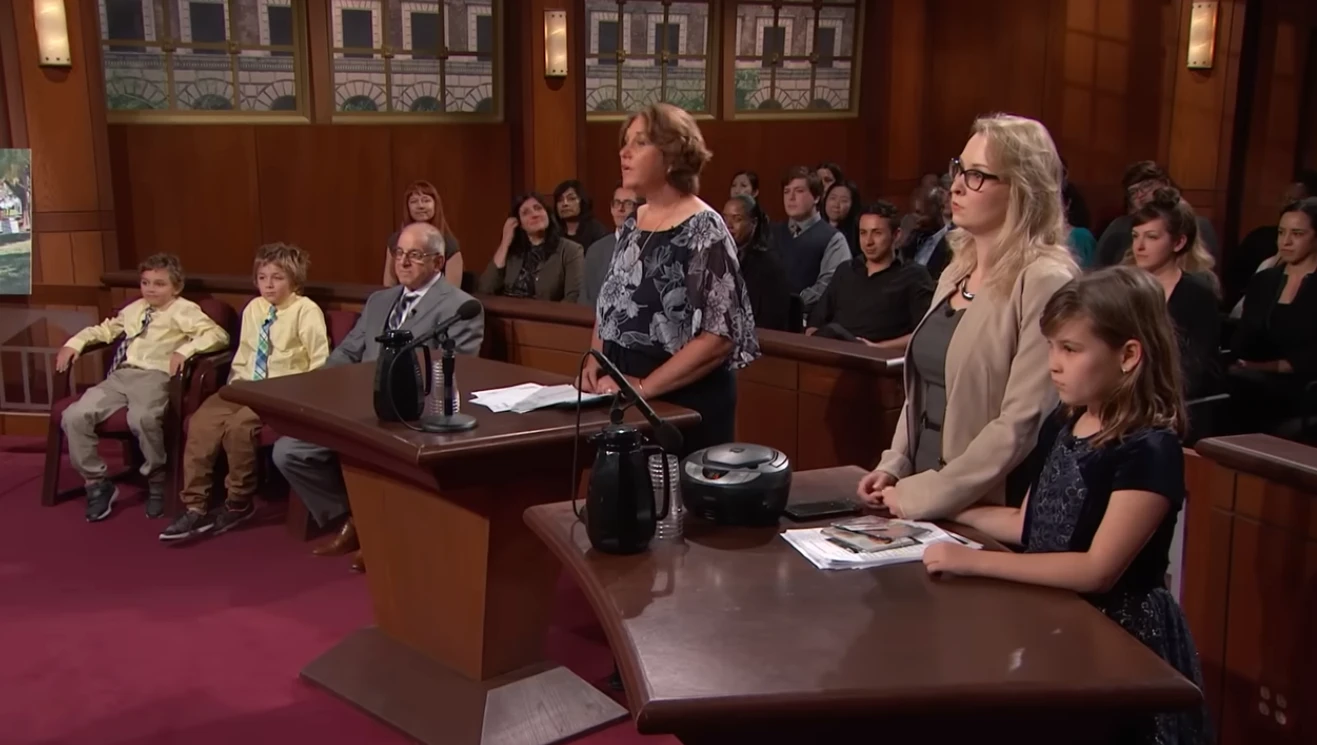
The plaintiff repeatedly says the accident was a side impact. She tells Judge Judy, “It was a side impact. It was not a front impact.”
She believes that proves she could not have avoided the collision.
Judge Judy does not accept that conclusion. She says, “That doesn’t mean that she ran into your side mirror. It means she collided with your side mirror.”
That distinction matters. A collision with the side of a car does not automatically prove the driver had no responsibility.
The Plaintiff Says She Stopped Immediately
The plaintiff says, “The moment that she smacked against my car, I promptly stopped.”
She also insists, “The car stopped on a dime.”
But Judge Judy is more concerned with how fast the car was moving before the child hit it. If the vehicle was truly almost stopped, Judge Judy questions how the child ended up with such serious injuries.
Judge Judy Focuses on Adult Responsibility
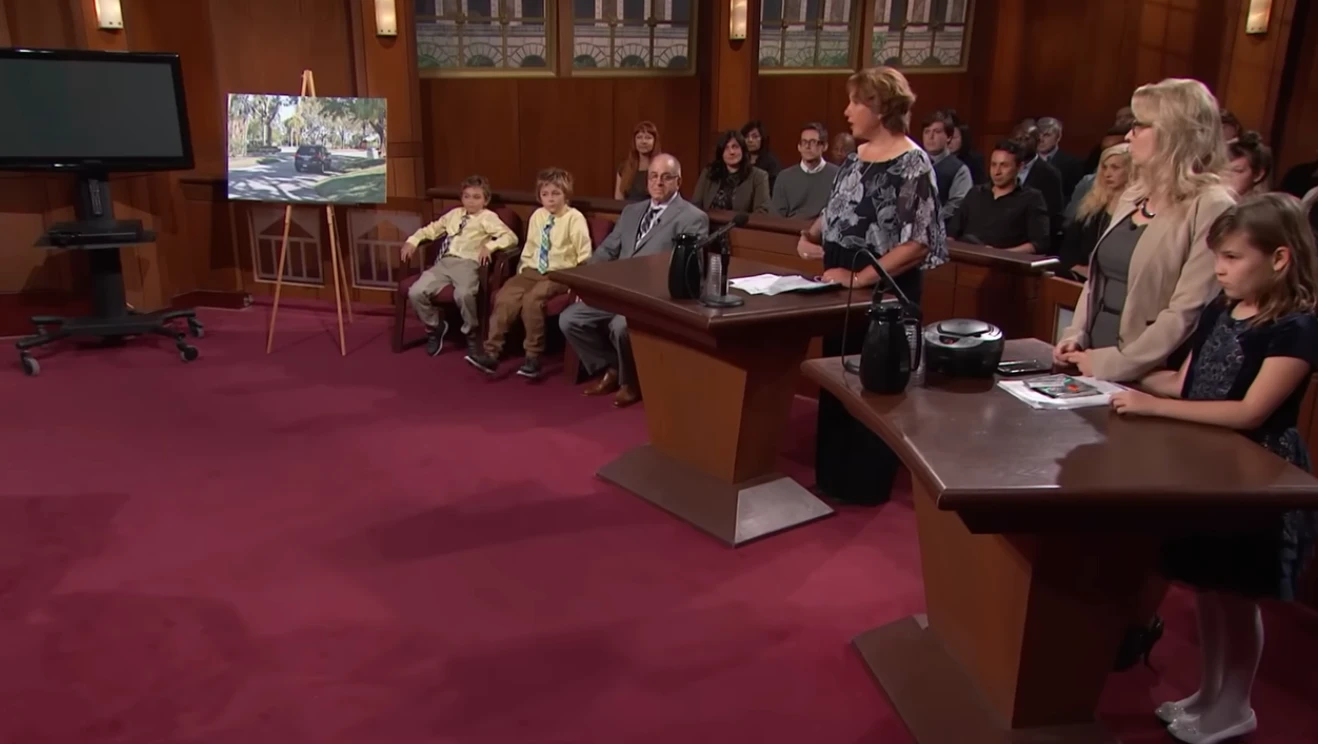
Judge Judy’s reaction is clear from the beginning. She tells the plaintiff that if she is intelligent, she should understand she has “an uphill battle” because the accident happened in a school zone.
This becomes the heart of the case. Judge Judy does not say the child crossed correctly. In fact, she accepts that the child crossed from the wrong place. But she believes the adult driver still had to anticipate that children might behave unpredictably.
“You’re in a School Zone”
Judge Judy says, “You’re in a school zone. You’re in a school area.”
That one sentence reframes everything. The plaintiff wants the case to be about a broken mirror. Judge Judy sees it as a child safety case.
She asks the plaintiff to imagine if one of her own sons had been hit while crossing to get into a car. Would she think the driver should have been more cautious?
The plaintiff resists that comparison.
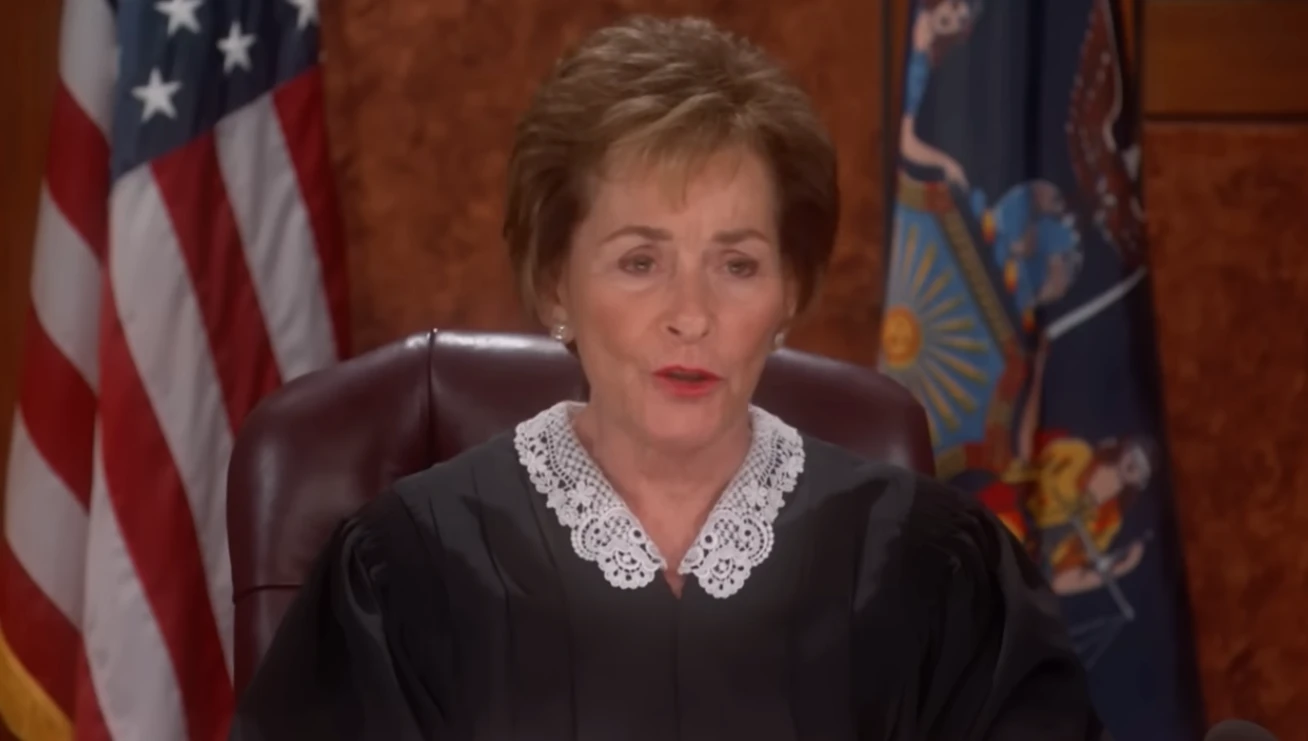
Judge Judy Questions the Speed
The plaintiff says she was going slowly. Judge Judy pushes back: “If you were going so slowly, explain her broken clavicle.”
That question is devastating. Judge Judy is not claiming the plaintiff was speeding at 30 miles per hour. But she suggests the car must have been moving fast enough to contribute to the severity of the injury.
She says if the car were truly at a crawl, the child should not have suffered that kind of impact.
The Driver Must Expect Children to Make Mistakes
Judge Judy says children sometimes cross where they are supposed to, and sometimes they do not.
Her point is direct: “You’re the parent. You’re the grown-up.”
She explains that near a school, a driver should move so slowly that even if a child suddenly darts out, the collision does not become serious.
The Crossing Guard Confirms the Child Crossed Wrong
The crossing guard becomes a key witness. He confirms that Emy was not crossing in the designated area and that he yelled for her to stop.
This supports part of the plaintiff’s story. But it still does not save her claim.
The Child Was Not in a Designated Crossing Area
Judge Judy asks the crossing guard, “She was not crossing in a designated area?”
He answers, “Correct.”
This is important because it shows Judge Judy is not ignoring the child’s mistake. Emy did cross where she should not have crossed.
The Guard Yelled “Stop”
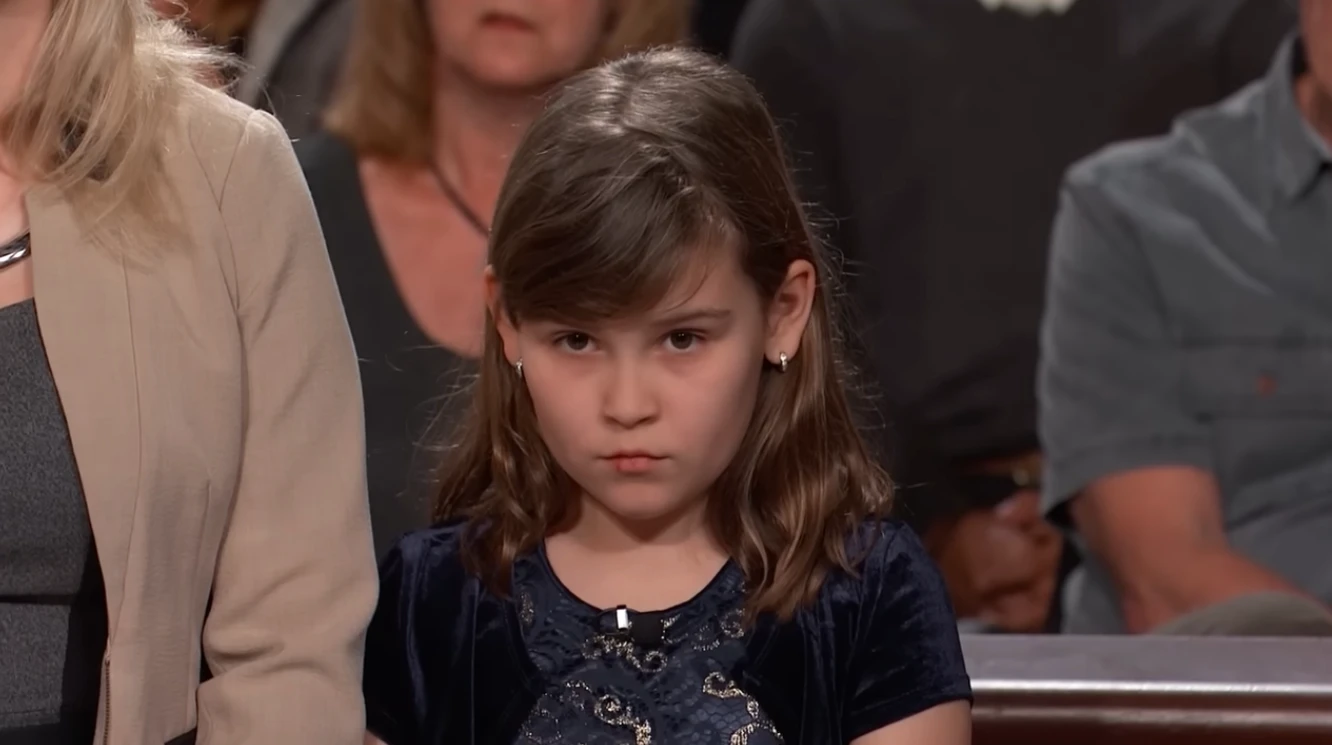
Judge Judy asks whether he saw Emy about to step off and whether he told her not to cross.
The crossing guard says yes. He confirms, “I yelled at her to stop.”
That matches the plaintiff’s statement that she heard the crossing guard scream.
But the Plaintiff Was Still the Adult Driver
Even with that testimony, Judge Judy does not change her view. The child’s mistake does not turn the mother into the person responsible for fixing the mirror.
The crossing guard also says the child ran out as the plaintiff’s car was “right on top of her.”
That supports the idea that the situation unfolded fast — but Judge Judy still believes a driver in that environment must anticipate sudden child movement.
Judge Judy Rejects the Mirror Claim
The plaintiff keeps repeating that she did not expect a child to come out from that side. Judge Judy seizes on that statement as the problem.
She says, “That’s your problem! That’s exactly right. You did not expect her to come.”
In Judge Judy’s view, the plaintiff’s failure was not intentional harm. It was lack of anticipation in a high-risk school zone.
“She’s Not Fixing Your Mirror”
Judge Judy makes the ruling clear before the plaintiff fully accepts it:
“She’s not fixing your mirror! Get it through your head!”
This is the emotional peak of the case. Judge Judy is telling the plaintiff that suing the injured child’s mother over a mirror is unreasonable under the circumstances.
The child was taken away in an ambulance. The mirror was not the priority.
Judge Judy Calls It a Near Tragedy
Judge Judy says the plaintiff should be thinking, “What a tragedy this could have been.”
She points out that if the child had been shorter, like the plaintiff’s son Tyler, she could have hit her head on the mirror instead of her clavicle.
Judge Judy’s message is chilling: this could have been fatal.
The Hypothetical Question Breaks the Case
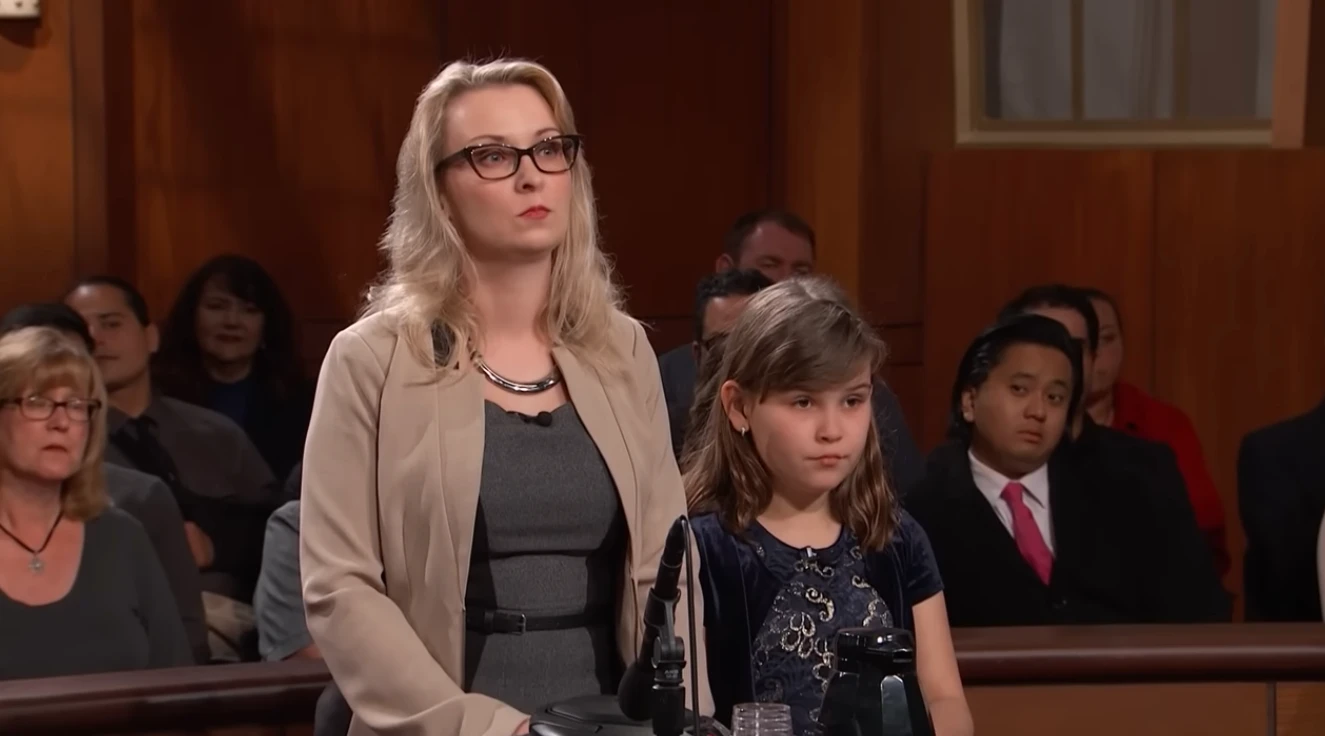
Judge Judy asks the plaintiff a harsh hypothetical: if the child had died instead of breaking her clavicle, would the plaintiff still sue the mother for the mirror?
The plaintiff refuses to answer directly. She says, “I don’t know. I’m not going to answer that.”
That response tells Judge Judy everything she needs to know.
The Final Judgment: Case Dismissed
After the plaintiff refuses to answer the hypothetical, Judge Judy ends the case.
She says, “Your case is dismissed. We’re done.”
The mother does not have to pay for the broken mirror. The plaintiff gets nothing.
Why the Plaintiff Lost
The plaintiff lost because Judge Judy believed the school-zone context mattered more than the mirror damage.
Even if the child crossed wrong, the plaintiff was the adult operating a vehicle near a school dismissal area.
Judge Judy expected a higher level of caution.
Why the Child’s Mother Did Not Have to Pay
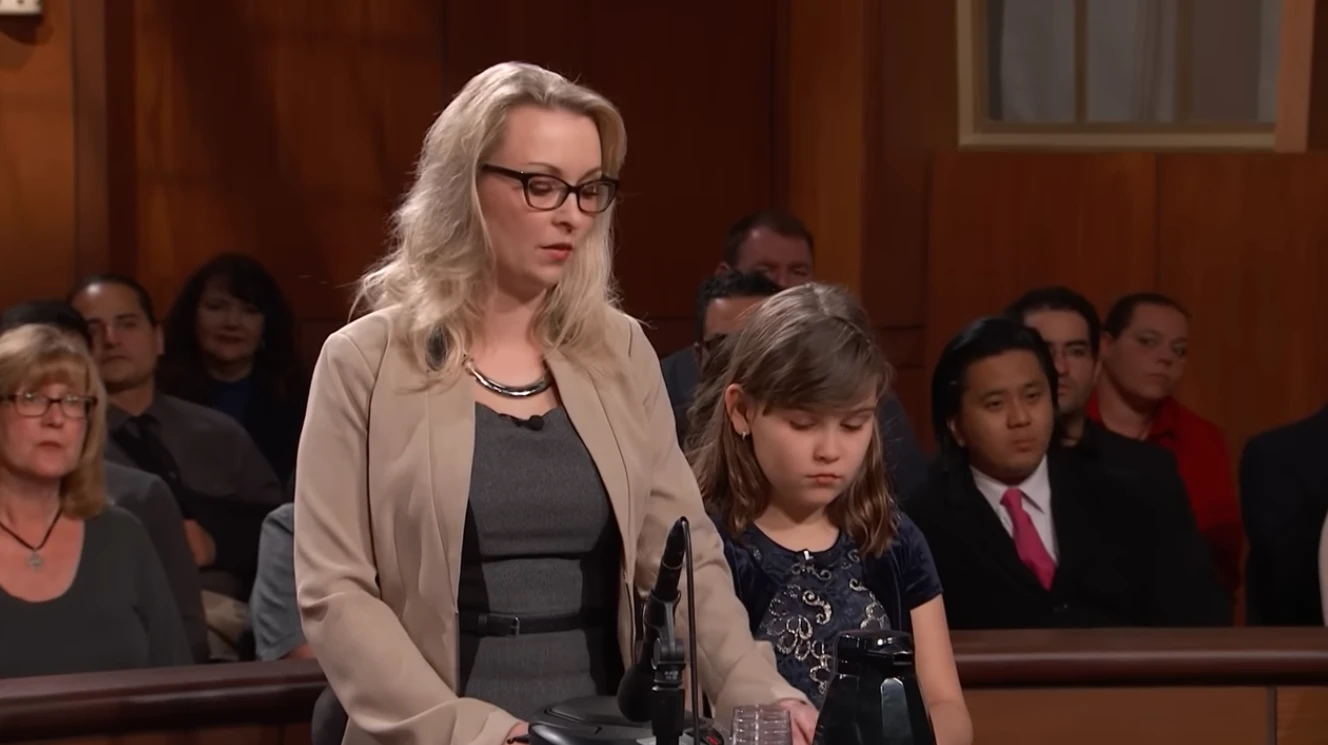
The defendant’s daughter made a mistake by crossing where she should not have crossed. Judge Judy acknowledges that.
But a child’s mistake in a school zone does not automatically make the parent financially responsible for a car mirror, especially when the child was seriously injured.
The Counterclaim Does Not Become a Major Award
The defendant had a counterclaim, but Judge Judy does not turn the case into a financial judgment against the plaintiff either.
Instead, she tells the defendant to be grateful that Emy was not hurt worse and to teach her daughter to cross properly next time.
She says the child should cross “where there’s a guard.”
Situation Analysis: Who Was Right and Who Was Wrong?
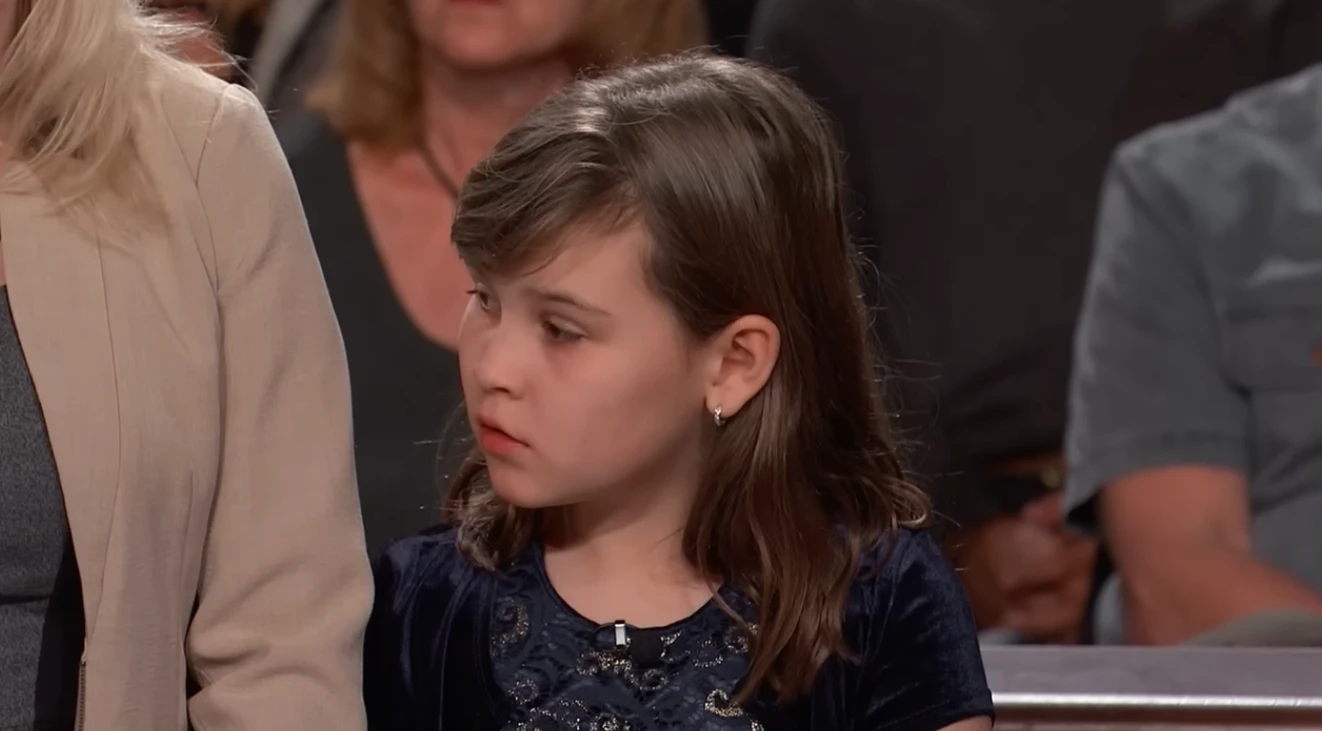
This case is emotionally uncomfortable because both sides have facts in their favor. The plaintiff is correct that Emy crossed in the wrong place. The crossing guard confirms that.
But Judge Judy’s broader point is stronger: when an adult drives near a school full of children, the adult must expect children to make unsafe choices.
The Plaintiff Was Too Focused on the Mirror
The plaintiff repeatedly returned to the same argument: “She ran into my vehicle.”
But Judge Judy wanted her to see the larger picture. A child was injured. The plaintiff’s vehicle was involved. The mirror damage was minor compared to a fractured clavicle, bruising, stitches, and an ambulance ride.
That mismatch made the lawsuit feel insensitive.
Emy Was Also Wrong to Cross There
Judge Judy does not excuse the child completely. She confirms the girl was not crossing in the right area.
She even tells the mother that next time, Emy must cross properly.
So the ruling is not saying the child did everything right. It is saying the plaintiff’s lawsuit was not appropriate.
Judge Judy’s Decision Was Fair
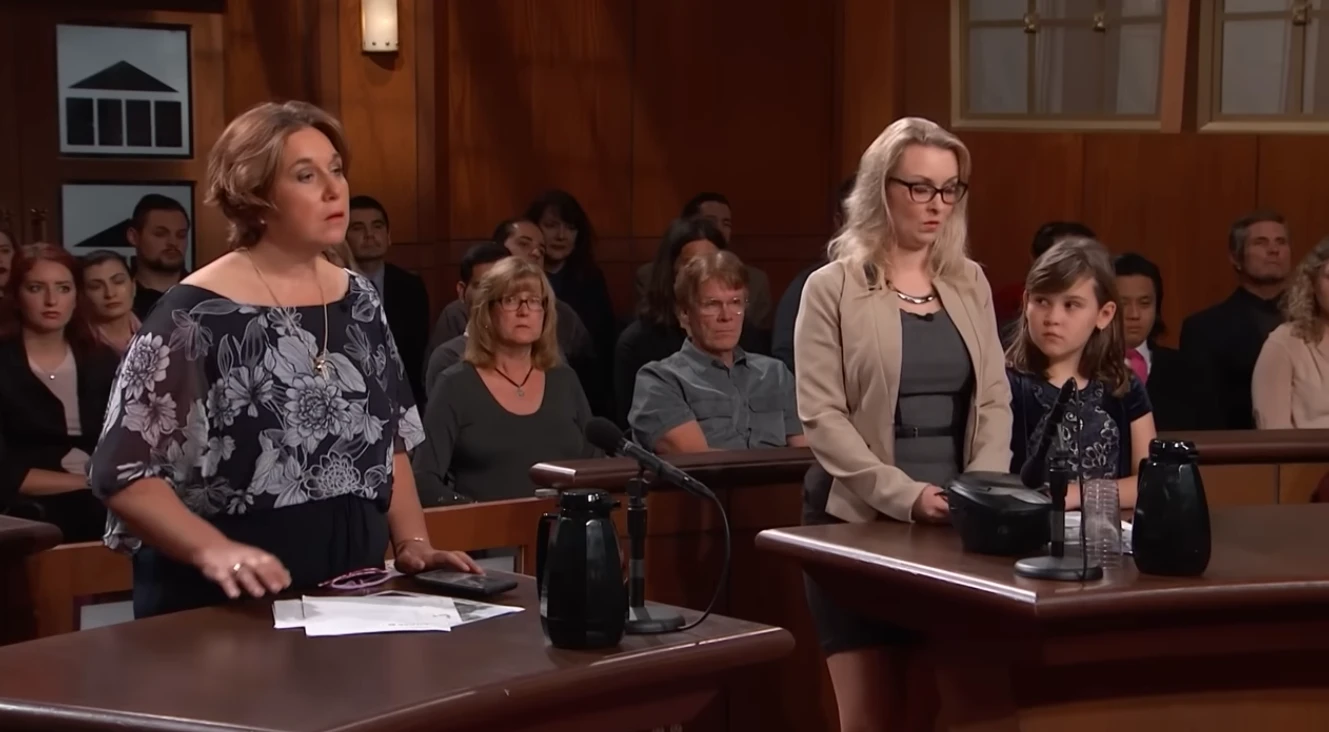
The decision was fair because it balanced common sense with responsibility. A school-zone driver must drive defensively, especially when children are being dismissed.
The plaintiff’s broken mirror was unfortunate, but suing the injured child’s mother was not the right response.
Lessons From This Judge Judy Case
This case is a powerful reminder that legal responsibility is not always about who technically stepped where. It is also about context.
A school zone is different from an empty street. A child is different from an adult pedestrian. A broken mirror is different from a child in an ambulance.
School Zones Require Extreme Caution
Judge Judy’s central lesson is simple: when hundreds of children are leaving school, drivers must crawl, watch everywhere, and expect unpredictable behavior.
Children may cross from the wrong place. They may run. They may ignore warnings. Adults must prepare for that.
Being Technically Right Does Not Always Win
The plaintiff had evidence that the child crossed outside the proper area. But that did not mean she deserved money.
Courtroom success depends on whether the claim is reasonable under the full circumstances.
Gratitude Matters After a Near Disaster
Judge Judy’s strongest moral point is that the plaintiff should have been grateful the child survived.
She says the plaintiff should think, “Thank God I didn’t kill her.”
That line is not just dramatic. It is the emotional lesson of the case.
Conclusion
This Judge Judy case began with a broken side mirror but quickly became a lesson about responsibility in a school zone. The plaintiff argued that a young girl ran into her car, broke her mirror, and crossed where she was not supposed to cross. The crossing guard supported that part of the story.
But Judge Judy focused on the bigger issue: the plaintiff was driving just feet from a school as around 500 children were being dismissed. In that situation, an adult driver must expect children to behave unpredictably.
The child suffered a fractured clavicle, bruising, and stitches. Judge Judy saw the lawsuit for a broken mirror as deeply misplaced. Her ruling was direct: “Your case is dismissed.”
The final takeaway is clear: in a school zone, the adult behind the wheel carries the greater responsibility. A mirror can be replaced. A child’s life cannot.

